
Uninsured Motorist Coverage for New Drivers — Why It Matters
Free to compare
Why New Drivers Face Higher Uninsured Motorist Risk
If you just got your first car and you're building your first policy, you're statistically more likely to encounter an uninsured driver than older, more experienced motorists. Drivers under 25 are involved in accidents at nearly double the rate of drivers over 30, and approximately 13% of all drivers nationwide carry no insurance at all according to the Insurance Research Council. That percentage climbs to 20–29% in states like Florida, Mississippi, and New Mexico. When you're a new driver navigating higher-risk driving scenarios — unfamiliar roads, night driving, highway merging — you're more exposed to the subset of drivers who operate without coverage.
Your standard liability insurance (the coverage required by law in most states) only pays for damage you cause to others. It does nothing if someone hits you and they don't have insurance. Uninsured motorist coverage fills that gap by covering your medical bills, lost wages, and vehicle damage when the at-fault driver has no policy. For drivers under 25, this isn't an edge-case scenario — it's a measurable risk worth protecting against.
Most new drivers skip this coverage because they assume liability insurance covers all accidents, or they see it listed as optional and eliminate it to lower their premium. The actual cost difference is smaller than most expect: adding uninsured motorist coverage typically increases your monthly premium by $5 to $15/mo depending on your state and the limits you select. That's roughly the cost of two fast-food meals per month in exchange for protection against a scenario that happens in more than one out of every eight accidents nationwide.
What Uninsured Motorist Coverage Actually Pays For
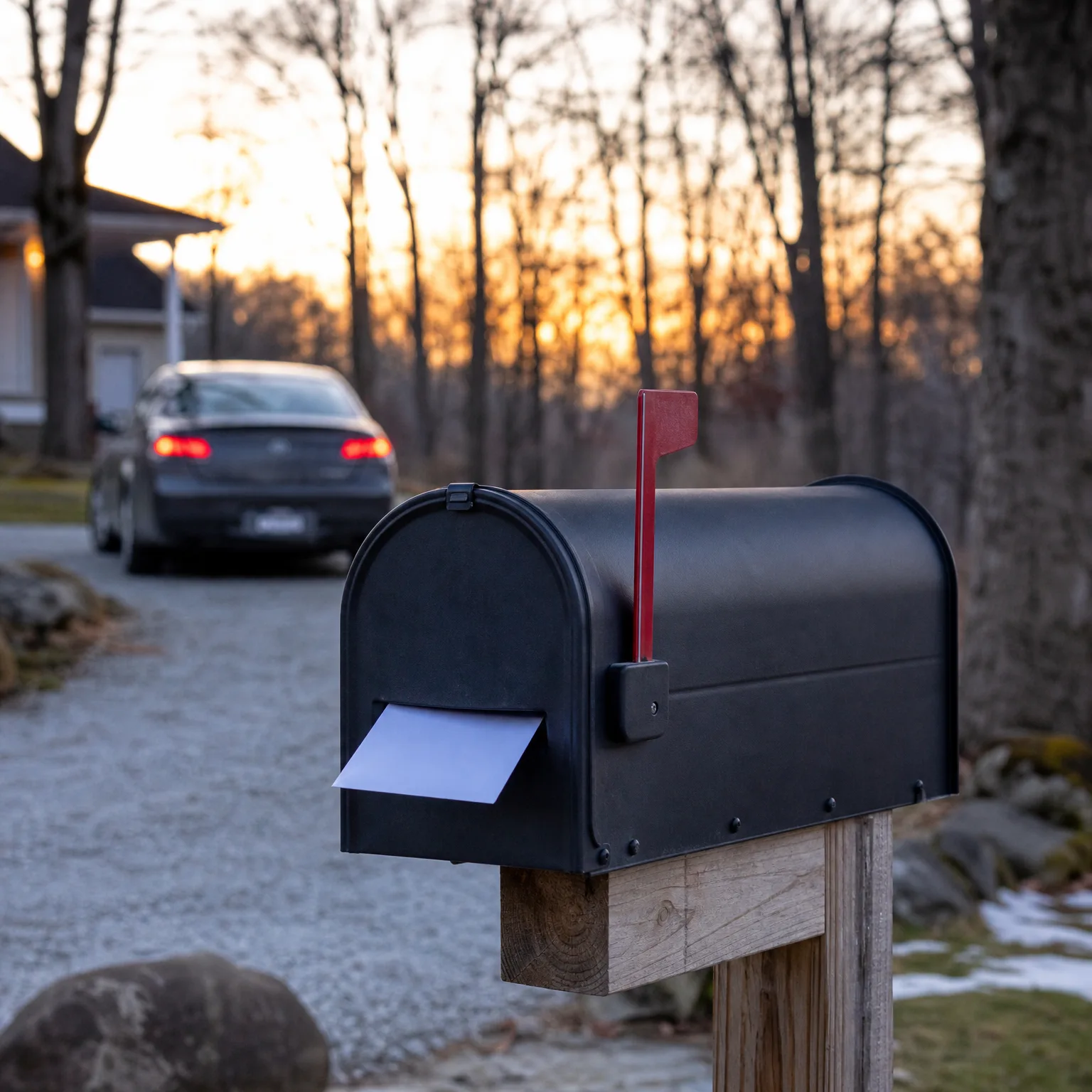
Uninsured motorist coverage comes in two parts: bodily injury (UMBI) and property damage (UMPD). Bodily injury coverage pays your medical expenses, rehabilitation costs, lost income, and pain and suffering if you're injured by a driver with no insurance. Property damage coverage pays to repair or replace your vehicle. Some states bundle these together; others let you buy them separately. A few states — like Illinois, Kansas, and North Carolina — require you to carry uninsured motorist bodily injury coverage unless you explicitly reject it in writing.
The coverage mirrors your liability limits. If you carry 50/100/50 liability insurance (that means $50,000 per person for injuries, $100,000 per accident, and $50,000 for property damage), your uninsured motorist coverage will typically follow the same structure. You can often select lower or higher limits depending on your insurer and state rules. The critical point: this coverage only activates when the other driver is at fault and either has no insurance or carries limits too low to cover your damages (that second scenario is covered by underinsured motorist coverage, which is usually sold alongside uninsured coverage).
If you're hit by an uninsured driver and you don't have this coverage, your only options are to sue the driver personally (most uninsured drivers lack assets to pay a judgment) or file a claim under your own collision or comprehensive coverage if you carry it. Collision coverage will pay for your vehicle repairs minus your deductible, but it won't cover your medical bills, and filing a claim can increase your future rates even when you weren't at fault.

How Much It Costs and What Affects Your Rate
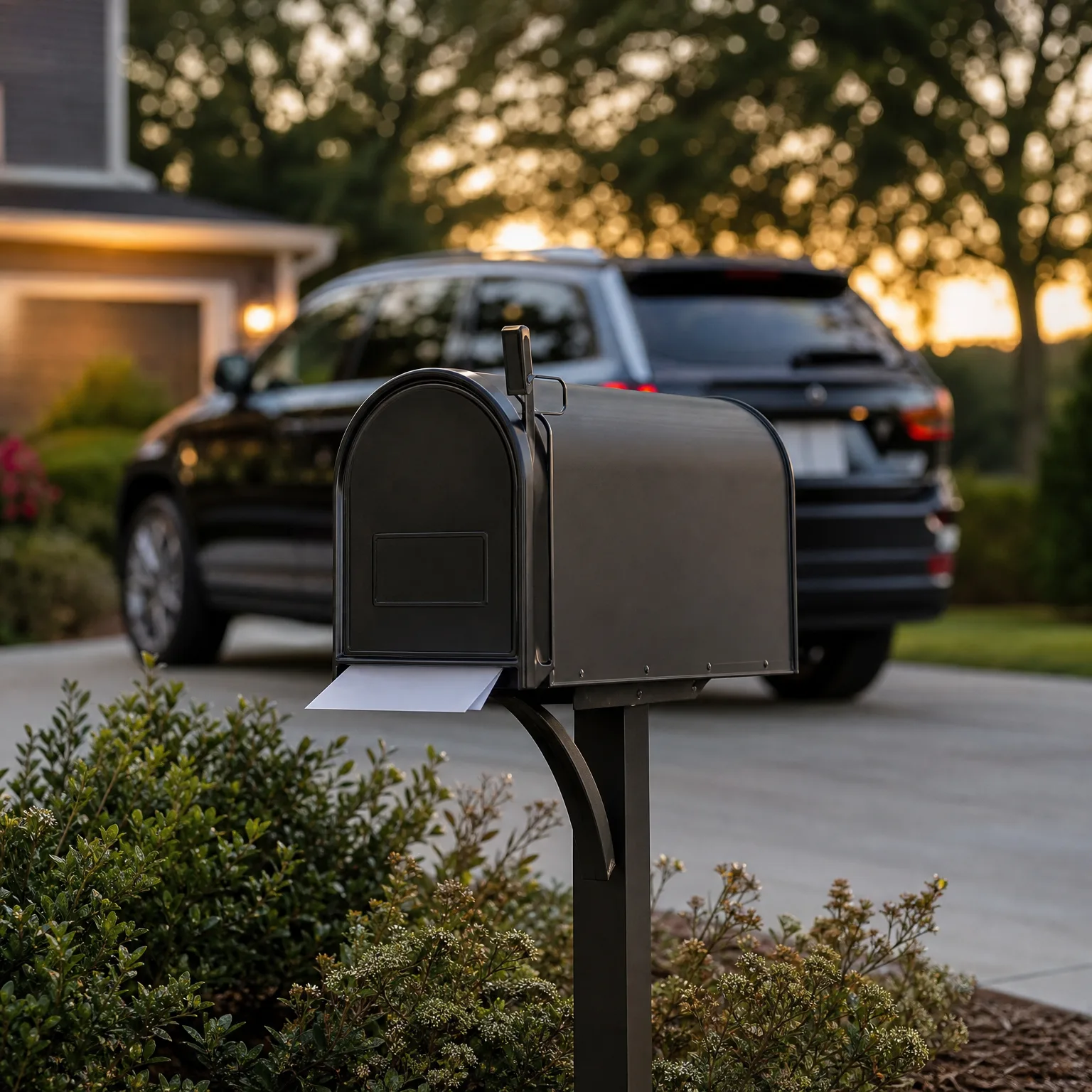
Uninsured motorist coverage costs less than most new drivers expect because it's a defensive coverage — you're not the risk variable. The insurer is betting on how often you'll be hit by someone without insurance, not on your own driving behavior. For drivers under 25 with clean records, adding 50/100 uninsured motorist bodily injury coverage typically costs between $60 and $180 per year, or roughly $5 to $15 per month. Property damage coverage usually adds another $2 to $8 per month.
Your cost depends primarily on your state's uninsured driver rate and your selected limits. States with higher percentages of uninsured drivers — Florida (26.7%), Mississippi (29.4%), New Mexico (21.8%) — charge more because the probability of a claim is higher. States with lower uninsured rates like Maine (4.9%) or Massachusetts (3.5%) charge significantly less. Your age affects your base premium, but it has less impact on the uninsured motorist add-on than it does on liability or collision coverage.
If you're building your first policy and trying to keep costs manageable, uninsured motorist coverage offers better risk protection per dollar than increasing your liability limits beyond your state's minimum or lowering your collision deductible. A $500 deductible versus a $1,000 deductible might save you $10–20/mo, but you're still responsible for that deductible in any claim. Uninsured motorist coverage eliminates an entire category of financial exposure for a comparable monthly cost.

Bring Your Under 25 Rate Back to Earth
Compare Rates for Drivers Under 25When You Should Decline This Coverage (And When You Shouldn't)
There are only a few scenarios where skipping uninsured motorist coverage makes financial sense for a new driver. If you live in a state where uninsured rates are very low (under 6%) and you carry robust health insurance with low out-of-pocket maximums, the risk-versus-cost calculation shifts. If you're driving an older vehicle worth less than $3,000 and you're not carrying collision coverage anyway, property damage uninsured motorist coverage may not be worth adding — though bodily injury coverage still protects you medically.
For most drivers under 25, especially those in states with uninsured rates above 10%, declining this coverage is a mistake. You're in the highest-risk age bracket for accidents, you likely don't have significant savings to cover medical bills or vehicle replacement, and you're more likely to be driving in environments (urban areas, late-night hours, high-traffic corridors) where uninsured drivers concentrate. A single accident with an uninsured driver can generate $15,000 to $50,000 in medical costs and lost income if injuries are moderate — far exceeding what you'd pay in premiums over the entire time you own the policy.
If you're on a parent's policy and transitioning to your own, check whether their policy includes uninsured motorist coverage and at what limits. Many established drivers carry 100/300 or higher limits. When you move to your own policy, you'll need to make this decision independently. Don't default to the state minimum or skip it to save $10/mo without understanding what you're giving up. Compare quotes with and without uninsured motorist coverage so you see the actual cost difference before deciding.

How to File a Claim After Being Hit by an Uninsured Driver
If you're in an accident and the other driver admits they don't have insurance, or if they leave the scene and can't be identified, contact your insurer within 24 hours to report the claim. You'll file under your uninsured motorist coverage, not your liability coverage. Your insurer will investigate to confirm the other driver was uninsured (they'll check state databases and request proof from the driver if contact information is available). In hit-and-run cases where the driver isn't identified, most states allow uninsured motorist claims as long as you filed a police report.
You'll provide the same documentation you would in any injury claim: medical records, repair estimates, proof of lost wages, and a statement describing the accident. Your insurer may require you to submit to a recorded statement or an examination under oath, especially if the claim involves significant bodily injury. Because you're claiming against your own policy, your insurer has more tools to verify your account than they would if you were a third-party claimant against someone else's liability coverage.
Settlement timelines vary, but uninsured motorist bodily injury claims typically take 30 to 90 days if injuries are straightforward and liability is clear. Property damage claims settle faster, often within two to three weeks once the insurer confirms the other driver's uninsured status. Filing an uninsured motorist claim generally does not increase your rates the same way an at-fault collision claim would, but policies vary by state and carrier. Check your policy's language or ask your agent directly before assuming your rate will stay flat after a claim.
Frequently Asked Questions
Does uninsured motorist coverage increase my insurance rates after I use it?
In most states, filing an uninsured motorist claim does not increase your rates because you were not at fault. However, some carriers in certain states may apply a small surcharge or count it as a claim on your record. Check your policy documents or ask your insurer directly how claims are treated before assuming your rate will remain unchanged.
What's the difference between uninsured and underinsured motorist coverage?
Uninsured motorist coverage pays when the at-fault driver has no insurance at all. Underinsured motorist coverage pays when the at-fault driver has insurance, but their liability limits are too low to cover your damages. Most insurers sell these together as a package, and the cost difference is minimal — typically $2 to $5/mo to add underinsured coverage.
Can I add uninsured motorist coverage after I buy my policy?
Yes, you can add uninsured motorist coverage at any time by contacting your insurer and requesting an endorsement to your policy. The coverage will take effect on the date you specify, and your premium will adjust accordingly. It's not restricted to renewal periods or new policy purchases.
Do I need uninsured motorist coverage if I already have collision coverage?
Yes, because collision coverage only pays for vehicle damage minus your deductible and does not cover medical expenses, lost wages, or pain and suffering. Uninsured motorist bodily injury coverage fills that gap. If you're injured by an uninsured driver, collision won't help you with hospital bills or rehabilitation costs.
Is uninsured motorist coverage required by law?
It depends on your state. Some states like Illinois, Kansas, North Carolina, and Virginia require uninsured motorist bodily injury coverage unless you reject it in writing. Other states make it optional but require insurers to offer it. Check your state's requirements, but even if it's optional, the low cost and high uninsured driver rates in most states make it worth carrying.
Related Articles
Delivery Driver Insurance for New Drivers Under 25
4/5/2026

Leaving Parents' Policy Without Gap in GA
6/11/2026

Car Insurance for New Military Drivers Under 25
4/5/2026
Gap Insurance for New Drivers With Car Loans
4/5/2026

TX Financed Car Full Coverage Rules
6/11/2026

Add a Car to Insurance Before Driving Off the Lot
4/5/2026