
Louisiana First Renewal Rate Increase — What to Expect Under 25
Free to compare
Why Louisiana Carriers Raise Rates Sharply at First Renewal for Young Drivers
Louisiana carriers use introductory pricing to win first-time driver policies, then raise rates 20-40% at the first renewal to align with your full risk profile. This is not a penalty for a claim or violation — it's the removal of a new-customer discount that was never disclosed as temporary. The practice is especially aggressive in Louisiana because the state consistently ranks as the most expensive for car insurance nationally, with young drivers paying $3,500-$6,000 annually for minimum coverage.
The rate increase happens because your initial quote included a new business discount that expires after 6 or 12 months. Carriers know that most young drivers won't shop at renewal — industry retention data shows that drivers under 25 are 60% less likely to comparison shop than drivers over 30. Your current carrier is counting on inertia. The renewal notice will show a higher premium with minimal explanation, often labeled as "rate adjustment" or "policy update."
Louisiana's high baseline rates compound this effect. The state has the highest frequency of uninsured drivers nationally (estimated at 13-15%), the second-highest rate of litigation after auto accidents, and frequent severe weather that drives up comprehensive claims. Carriers price all of this into renewal rates, but they absorb some of that cost in year one to win your policy. By renewal, you're paying the full freight.

The 45-Day Window Before Your First Renewal
Shopping for new coverage 45 days before your renewal date locks in competitive rates while your current carrier is still showing last year's discounted premium. If you wait until after the renewal processes, competing carriers see your new higher rate in loss history databases and price against that anchor — not your original rate. This timing gap is the single most valuable leverage point a young driver has at first renewal.
Request quotes from at least three carriers 45-60 days out. You're not bound to switch until you actively cancel your current policy, but having competing quotes in hand gives you two options: bind new coverage before renewal if rates are better elsewhere, or call your current carrier with competing quotes and ask for rate matching. Carriers in Louisiana have retention departments specifically tasked with saving policies from cancellation — but they only negotiate if you call before the renewal auto-processes.
If you miss the 45-day window and your renewal has already processed at the higher rate, you can still shop and switch mid-term. Louisiana allows mid-term cancellations with pro-rated refunds for unused premium. You'll receive a refund check for the remaining days on your current policy, minus any carrier-specific short-rate penalty (typically 10% of the refund). This is still financially better than paying an inflated rate for six months before shopping again.


What Actually Changes Between Your First Policy and First Renewal
Your driving record, vehicle, and coverage selections typically haven't changed between policy inception and first renewal — but your rate does. The primary driver is the expiration of new-customer incentives that were baked into your initial premium. These include new business discounts (5-15%), early-quote discounts (3-8%), and sometimes bundling incentives offered only to first-time buyers. None of these appear as line items on your initial declaration page, so you don't see them disappear at renewal.
Carriers also re-rate your policy using your actual claims and payment history from the first term. If you paid late even once, or filed a single glass claim, your renewal will reflect that. Louisiana carriers are particularly sensitive to payment history — a single 15-day late payment in your first term can trigger a 5-10% surcharge at renewal, labeled as "account management fee" or folded into the base rate without explanation.
Your credit-based insurance score may also have changed. If you opened new credit accounts, missed a payment on a student loan, or had your credit utilization increase, your insurance score drops — and Louisiana is one of 40+ states where carriers can price based on credit. For drivers under 25 with thin credit files, even small changes in credit behavior create disproportionate rate swings. A 20-point drop in your insurance score can raise your premium 8-12% at renewal.

Bring Your Under 25 Rate Back to Earth
Compare Rates for Drivers Under 25How to Evaluate Competing Quotes at Renewal
When comparing renewal quotes, confirm that coverage limits, deductibles, and coverage types match exactly across all quotes. A $500 collision deductible policy at $180/month is not comparable to a $1,000 deductible policy at $155/month — the $25 difference disappears the moment you file a claim and owe an extra $500 out of pocket. Use your current declaration page as the baseline and request identical coverage from competing carriers.
Pay specific attention to liability limits. Louisiana's state minimum is 15/30/25 ($15,000 per person, $30,000 per accident, $25,000 property damage), but medical costs from a single serious injury routinely exceed $15,000. If you're currently carrying 50/100/50 or higher, do not downgrade to save $20/month at renewal. A single at-fault accident where the other driver's injuries exceed your liability limit exposes your personal assets to lawsuit — and at 18-25, that liability follows you for decades.
Ask every competing carrier about young driver-specific discounts that your current carrier may not have applied: good student discount (typically 8-15% if you maintain a 3.0 GPA), telematics program enrollment (10-25% for safe driving behavior tracked via app), defensive driving course completion (5-10%), and low mileage discount if you drive under 7,500 miles annually. These discounts compound — a young driver in Louisiana who stacks good student, telematics, and low mileage can reduce their rate 25-40% from the baseline quote.
When the Renewal Increase Is Actually a Red Flag
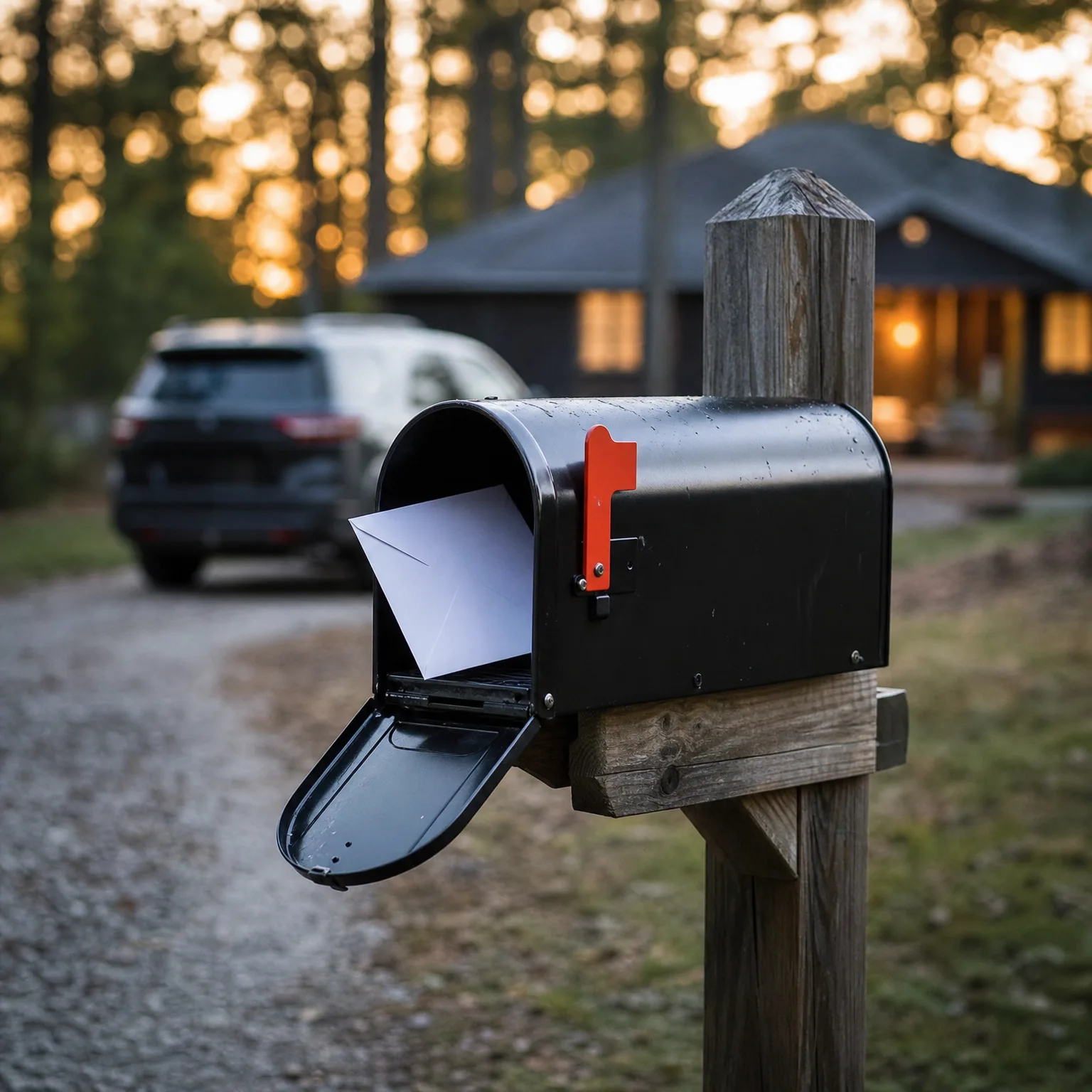
A 20-30% increase at first renewal in Louisiana is aggressive but common. A 50%+ increase without a claim, violation, or coverage change is a red flag that your carrier is either exiting the young driver market or pushing you to cancel. If your renewal rate is double your initial premium and you've had zero claims or tickets, call your carrier and ask for a line-by-line explanation of the rate change before you pay it.
Some Louisiana carriers intentionally overprice renewals for young drivers in ZIP codes with high claim frequency, expecting you to leave voluntarily rather than non-renewing you. Non-renewal triggers regulatory reporting requirements and consumer protection reviews; voluntary cancellation does not. If your renewal notice shows a rate that's financially unworkable and your carrier won't negotiate, treat it as a forced exit and shop immediately.
If the increase is driven by a claim or ticket that occurred in your first term, the surcharge will appear on your policy for 3-5 years depending on the violation. A single at-fault accident in Louisiana raises rates 30-50% on average for drivers under 25. A speeding ticket 15+ mph over the limit raises rates 15-25%. These surcharges don't disappear at your next renewal — they decay slowly over three years. If you're facing a long-term surcharge, consider whether switching to coverage after traffic violations through a carrier that specializes in non-standard risk improves your rate position.

How This Renewal Affects Your Insurance History for the Next 3 Years
Accepting the renewal and paying the higher rate establishes that premium as your pricing baseline for future comparisons. When you shop again in 6-12 months, competing carriers pull your current rate from loss history databases and use it as an anchor — if you're paying $220/month now, they'll quote $210-$230, not $150-$180. This anchoring effect compounds over multiple renewals if you never push back or shop aggressively.
Switching carriers at first renewal, by contrast, resets your rate and starts a new policy term with a new new-customer discount. You're trading your current carrier's loyalty pricing for a competitor's acquisition pricing. For drivers under 25 in Louisiana, switching every 12-18 months is often the only way to avoid paying exponentially inflating premiums. Loyalty does not reduce rates in this market — it raises them.
Every renewal you complete without a lapse also builds continuous coverage history, which becomes financially valuable at age 25 when the inexperienced operator surcharge drops. Carriers offer significantly better rates to 25-year-olds with 5+ years of continuous coverage than to 25-year-olds getting their first policy. Even if you're overpaying now, maintaining continuous coverage without lapses positions you for meaningful rate drops at the next age-based pricing tier. A single 30-day lapse at age 22 can cost you $600-$1,200 in higher premiums between ages 25-28.
Frequently Asked Questions
How much do car insurance rates typically increase at first renewal in Louisiana for drivers under 25?
First renewal rate increases in Louisiana for drivers under 25 typically range from 20-40% above the initial premium, even without claims or violations. This happens because new-customer discounts expire after the first policy term, and Louisiana's high baseline rates (highest in the U.S.) are fully applied at renewal. Shopping 45 days before renewal locks in competitive rates before your current carrier processes the increase.
Can I switch car insurance mid-term after my renewal rate increases in Louisiana?
Yes, Louisiana allows you to cancel your policy mid-term and switch to a new carrier at any point. You'll receive a pro-rated refund for unused premium, minus any short-rate penalty (typically 10% of the refund). If your renewal rate increased significantly, switching mid-term is often cheaper than waiting until the next renewal period, especially if you're under 25 and paying high baseline rates.
Why do Louisiana carriers raise rates more for young drivers at renewal than older drivers?
Carriers raise rates more sharply for young drivers because the new-customer discount used to win the initial policy is larger for high-risk segments, and Louisiana's actuarial data shows drivers under 25 have the highest claim frequency. Carriers absorb more risk in year one to acquire young driver policies, then recoup that cost at renewal. Drivers under 25 are also less likely to shop at renewal, so carriers face less competitive pressure to keep rates low.
What happens if I let my Louisiana car insurance lapse after a big renewal increase?
A coverage lapse of even 30 days in Louisiana creates a gap notation in your insurance history that raises your rate 20-35% for the next 3 years at most carriers. If your renewal is financially unworkable, shop for cheaper coverage and switch before your current policy expires — do not let it lapse. Continuous coverage is legally required in Louisiana, and a lapse also exposes you to fines, license suspension, and out-of-pocket costs if you're in an accident while uninsured.
Do good student discounts and telematics programs apply at renewal in Louisiana?
Yes, but you must submit updated proof each term. Good student discounts (typically 8-15%) require you to send a current transcript or report card showing a 3.0+ GPA at each renewal — most carriers don't auto-renew the discount without documentation. Telematics discounts (10-25%) continue as long as you keep the app active and maintain safe driving scores. If you didn't enroll in these programs initially, you can add them mid-term or at renewal to reduce your rate.
Related Articles

Delivery Driver Insurance for New Drivers Under 25
4/5/2026
Leaving Parents' Policy Without Gap in GA
6/11/2026

Car Insurance for New Military Drivers Under 25
4/5/2026

Gap Insurance for New Drivers With Car Loans
4/5/2026

TX Financed Car Full Coverage Rules
6/11/2026

Add a Car to Insurance Before Driving Off the Lot
4/5/2026