
Safety Features That Cut Insurance 10–25% for New Drivers
Free to compare
Why Safety Discounts Matter More When You're Under 25
New drivers under 25 pay approximately $300–$500/mo for full coverage because insurers price the statistical risk of inexperience — drivers in this age group file claims at roughly twice the rate of drivers over 30. Unlike a clean driving record that takes years to build, safety feature discounts apply immediately at your first quote if your vehicle qualifies. A 15% safety discount on a $400/mo premium saves $60 monthly, or $720 annually, without requiring any behavior change.
The challenge is that insurers don't automatically apply every discount you qualify for. Most carriers require you to request specific safety discounts and verify your vehicle has the technology, typically through VIN lookup or documentation from your purchase agreement. If you bought a 2018 Honda Civic with lane departure warning but never told your insurer, you're likely paying full price for a feature that should be cutting your bill.
Safety discounts stack with other reductions like good student discounts (typically 8–15%) and defensive driving course completion (5–10%), but they don't compound multiplicatively. If you qualify for a 10% safety discount and a 10% good student discount, you'll see roughly 18–19% total reduction, not 20%, because insurers apply sequential percentage cuts to the remaining premium after each discount.
Anti-Lock Brakes and Electronic Stability Control: The Baseline Discounts
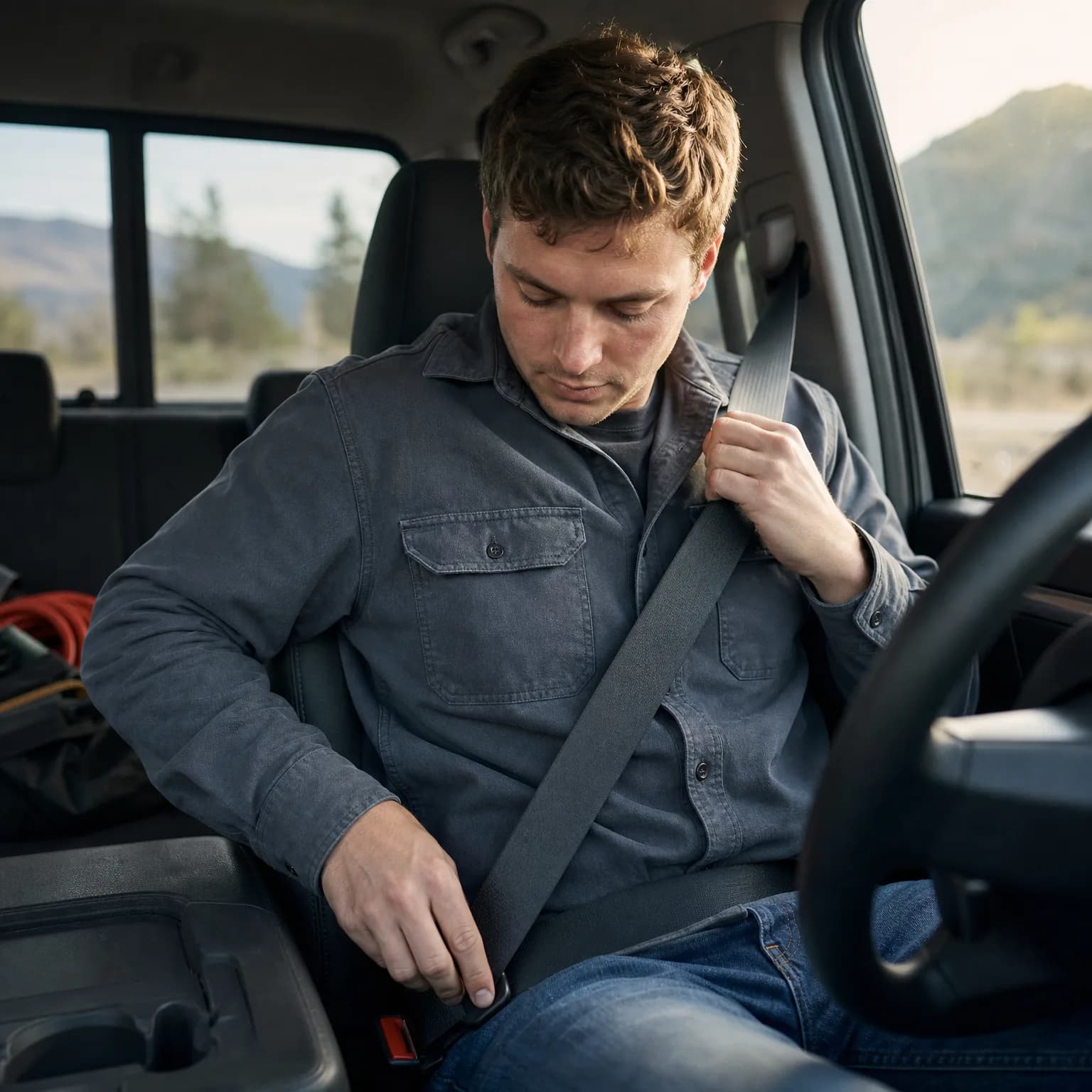
Anti-lock braking systems (ABS) and electronic stability control (ESC) are now standard on virtually all vehicles manufactured after 2012, which means most new drivers can claim these discounts immediately. ABS prevents wheel lockup during hard braking, allowing you to maintain steering control in emergency stops. ESC uses sensors to detect loss of traction and automatically applies individual brakes to prevent skids and rollovers.
Typically, ABS qualifies for 3–5% premium reductions, while ESC adds another 3–5%. Since these systems became federally mandated for new vehicles in 2012 (ESC) and the late 1990s (ABS on most models), insurers often apply these discounts automatically when you provide your VIN. However, if you're insuring an older vehicle or your carrier didn't capture the equipment details during quoting, you may need to request the discount explicitly.
To verify your vehicle has these features, check your owner's manual or look for dashboard warning lights labeled "ABS" or "ESC/ESP/DSC" (different manufacturers use different acronyms for stability control). If you're shopping for a used car and insurance cost matters, prioritize vehicles from 2012 or newer — the safety discount difference between a 2011 and 2012 model of the same car can be $15–30/mo because of mandated safety technology.
Advanced Driver Assistance Systems: Where the Biggest Savings Hide
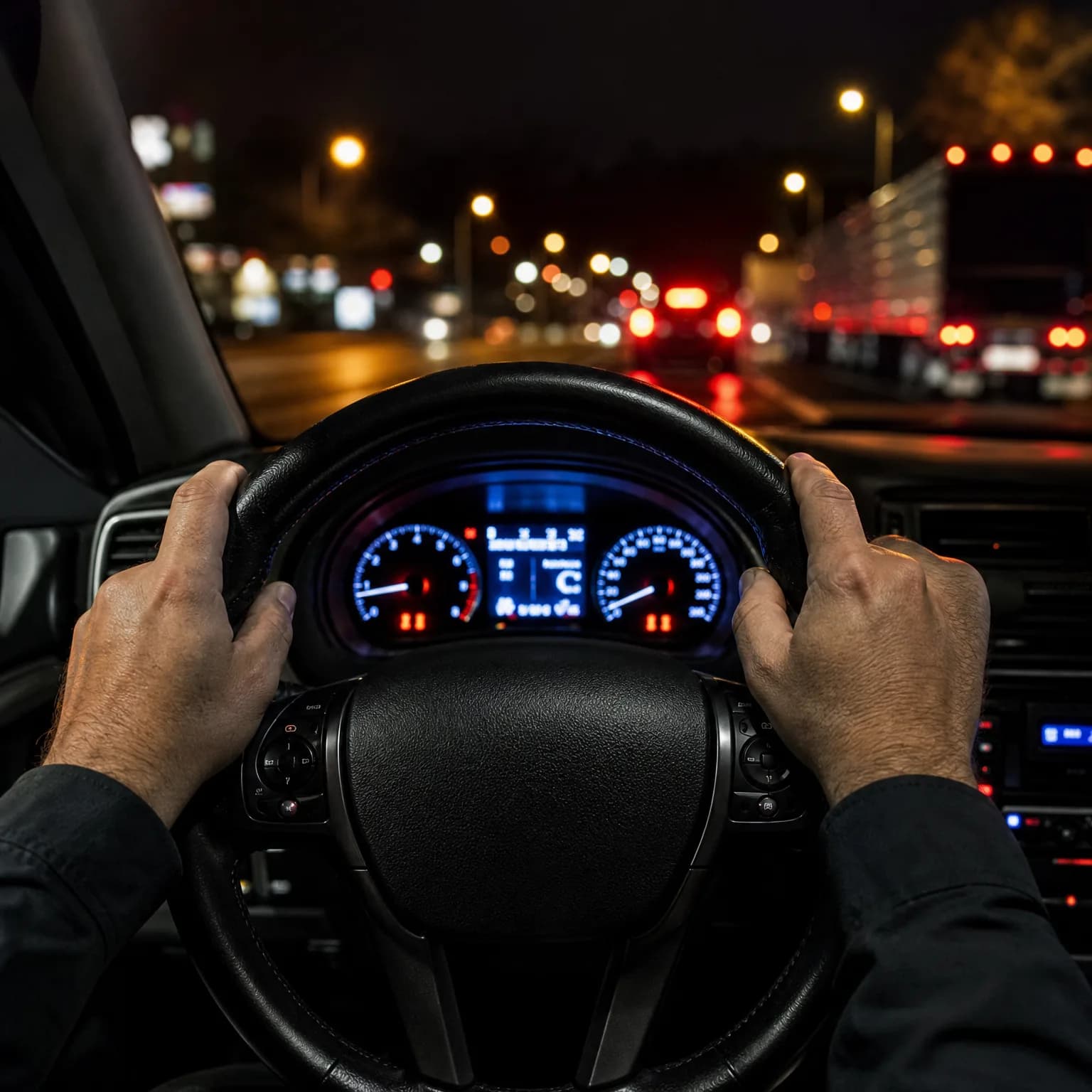
Automatic emergency braking (AEB), lane departure warning, forward collision warning, and blind spot monitoring deliver the largest insurance discounts because they statistically prevent the most common crash types for new drivers. AEB systems use cameras or radar to detect imminent frontal collisions and automatically apply brakes if the driver doesn't react in time. Studies from the Insurance Institute for Highway Safety show AEB reduces rear-end crashes by approximately 50%, which is why insurers reward it heavily.
Carriers like State Farm, Geico, and Progressive offer 10–20% discounts for vehicles equipped with AEB, with the highest percentages typically applying when the system is paired with forward collision warning. Lane departure warning and blind spot monitoring each add another 2–5%. The total premium reduction for a vehicle with a full advanced driver assistance suite can reach 25–30% compared to an identical model without the technology.
These features appear as standard or optional equipment on many vehicles from 2017 onward, but they're not universal. Honda Sensing, Toyota Safety Sense, Subaru EyeSight, and similar packages bundle multiple systems together. When comparing insurance quotes for different vehicles, ask specifically about the safety discount for each car's VIN — a 2020 Honda Accord with Honda Sensing might qualify for $80/mo less in premiums than a 2020 Nissan Altima without comparable tech, even if base prices are similar. Most insurers list eligible vehicles and discount amounts on their websites under "safety feature discounts" or "vehicle safety technology."

Bring Your Under 25 Rate Back to Earth
Compare Rates for Drivers Under 25Anti-Theft Systems and How They're Valued Differently Than Crash Prevention
Anti-theft discounts apply to your comprehensive coverage (the portion of your premium that covers theft, vandalism, and non-collision damage), not your liability or collision coverage. Factory alarm systems, VIN etching, and GPS tracking devices like LoJack each trigger discounts, but the savings are smaller than crash-prevention technology because they reduce a narrower slice of your total premium.
Typical anti-theft discounts range from 5–15% on comprehensive coverage only. Since comprehensive usually represents 15–25% of your total premium for a new driver, a 10% comprehensive discount translates to roughly 2–3% off your overall bill. On a $400/mo premium, that's $8–12/mo savings — meaningful, but not as impactful as AEB discounts that apply to collision and liability portions.
Passive anti-theft systems (which engage automatically when you lock the car) receive larger discounts than active systems (which you must manually arm). If you're considering adding an aftermarket tracking system specifically for the insurance discount, calculate the break-even point: a $400 LoJack installation that saves you $10/mo takes 40 months to pay back. Factory-installed systems already in your vehicle are worth claiming immediately, but aftermarket additions rarely make financial sense for the insurance benefit alone.

How to Actually Claim Discounts Your Insurer Won't Mention
When you request a quote online or by phone, provide your 17-digit VIN rather than just selecting your vehicle's year, make, and model from a dropdown menu. The VIN lookup pulls your exact factory equipment list, including safety features that may not appear in the generic model profile. Many insurers miss discounts when customers manually enter vehicle details because they don't know which trim level or option package was installed.
After receiving your initial quote, ask your agent or the customer service line explicitly: "What safety feature discounts am I currently receiving, and are there any others my VIN qualifies for that weren't applied?" If you're quoted over the phone, this question takes 30 seconds and frequently uncovers $20–40/mo in missed discounts. Some carriers require you to submit proof of equipment even after VIN verification — a window sticker from your purchase, a dealer letter, or photos of dashboard warning lights showing the systems are active.
Discounts don't transfer automatically when you switch carriers. If you received a 15% safety discount with your previous insurer, your new carrier may offer the same technologies but call them different names or require separate verification. When shopping for coverage as a new driver, ask every carrier specifically about discounts for each safety system in your vehicle rather than assuming the quote already includes them.
The Vehicle Purchase Decision: Safety Discounts as a Buying Factor
If you haven't purchased a vehicle yet, factor insurance cost differences into your total monthly budget. A $22,000 Honda Civic with Honda Sensing might cost $40/mo more in loan payments than a $20,000 base model without the safety package, but the insurance discount can offset that increase entirely while also improving resale value and actual crash protection.
Run insurance quotes on specific VINs before committing to a purchase. Most major insurers allow you to get quotes for vehicles you don't yet own if you provide the VIN from the dealer listing. Compare two or three finalist vehicles with identical coverage limits to see the real monthly cost difference. A vehicle that seems cheaper to buy might cost you $60/mo more to insure if it lacks safety technology or has higher theft rates.
Vehicles with the highest insurance discounts for new drivers typically include: Honda Accord and Civic with Honda Sensing (2018+), Toyota Camry and Corolla with Toyota Safety Sense (2017+), Subaru Outback and Forester with EyeSight (2017+), and Mazda3 and CX-5 with i-Activsense (2018+). These models combine strong safety ratings, low theft rates, and comprehensive driver assistance systems that trigger multiple discount categories simultaneously.
Frequently Asked Questions
Do I get a bigger discount if my car has more safety features?
Yes, but discounts don't add linearly — a car with AEB, lane departure warning, and blind spot monitoring might get 18–22% total discount rather than 30% because insurers apply percentage reductions sequentially. The first few features deliver the biggest savings, with diminishing returns as you add more systems.
Will my insurance automatically apply safety discounts when I buy a new car?
Not always. Many insurers require you to verify equipment through VIN lookup or documentation even if the features are standard on your model year. Always ask specifically which safety discounts were applied to your quote and whether your VIN qualifies for any additional reductions.
Can I add aftermarket safety equipment and get the same discounts?
Some insurers accept aftermarket dash cams or anti-theft systems, but discounts are typically smaller than for factory-installed equipment and may require professional installation verification. Calculate whether the device cost and installation justify the monthly savings before purchasing specifically for insurance purposes.
Do safety feature discounts expire or change over time?
Discount percentages can change when you renew your policy or if your insurer updates their rating factors, but discounts tied to your vehicle's permanent equipment won't disappear unless you switch to a carrier that doesn't offer them. Always confirm current discount availability when shopping for new coverage.
Which safety feature saves the most money for drivers under 25?
Automatic emergency braking typically delivers the largest single discount at 10–20% because it directly prevents the rear-end collisions that new drivers cause most frequently. Combined with electronic stability control and lane departure warning, total safety discounts can reach 25–30% on qualifying vehicles.
Related Articles
Delivery Driver Insurance for New Drivers Under 25
4/5/2026

Leaving Parents' Policy Without Gap in GA
6/11/2026

Car Insurance for New Military Drivers Under 25
4/5/2026

Gap Insurance for New Drivers With Car Loans
4/5/2026
TX Financed Car Full Coverage Rules
6/11/2026
Add a Car to Insurance Before Driving Off the Lot
4/5/2026