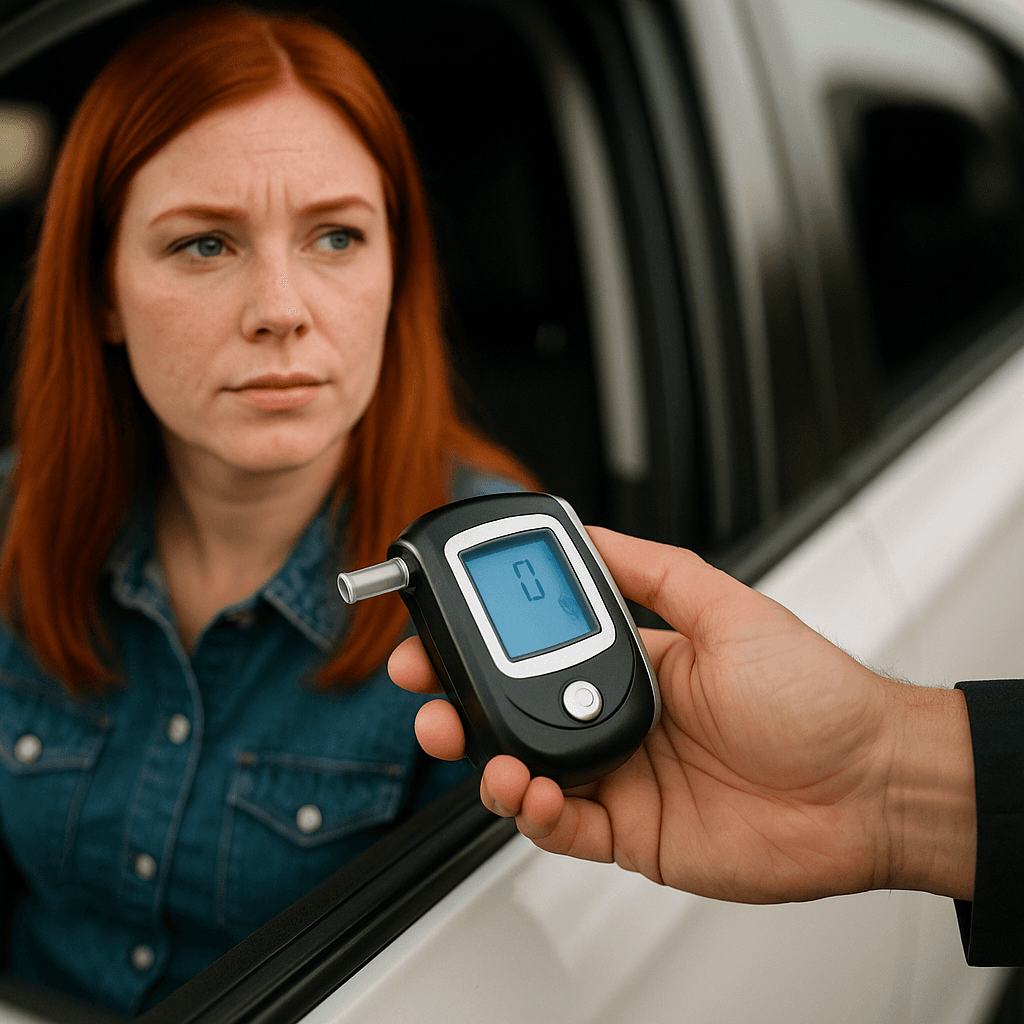
A first DUI doesn't just suspend your license — it triggers a mandatory SR-22 filing, rate increases averaging 80-140% depending on your state, and a three-year monitoring period that follows you even if you switch carriers.
The Timeline Problem: Why You Can't Wait Until Your Suspension Ends
Your DUI conviction triggers an immediate license suspension — typically 90 days to one year for a first offense depending on your state — but reinstatement isn't automatic when that period ends. Most states require proof of SR-22 insurance filing before the DMV will process your reinstatement, and that filing must show you've maintained continuous coverage for a specific period, often 30 days before reinstatement. If you wait until day 89 of a 90-day suspension to start shopping for insurance, you're adding another month to your suspension because the SR-22 clock hasn't started yet.
The sequence matters more than most new drivers realize. You need to secure an insurance policy that includes SR-22 filing, have the insurer electronically file the SR-22 certificate with your state DMV, maintain that coverage without any lapses for the required pre-reinstatement period, then apply for license reinstatement with proof of continuous coverage. A single missed payment during this window resets the entire SR-22 clock in most states, meaning your three-year SR-22 requirement starts over from day one.
Most standard carriers — the ones your parents might use — won't write new policies for drivers with DUI convictions, which means you're shopping in the non-standard or high-risk insurance market. These carriers specialize in SR-22 insurance but often require full payment upfront or allow only limited payment plans. For a new driver under 25 with a DUI, expect monthly premiums between $250-$450/mo depending on your state, gender, and whether you're adding SR-22 to an existing policy or buying standalone coverage.
What SR-22 Actually Costs Beyond Your Premium
The SR-22 filing itself costs $25-$50 as a one-time fee paid to your insurance carrier, not the state. Your insurer files the certificate electronically with your state DMV, proving you carry at least the state-required minimum liability coverage. That filing fee is separate from your premium increase, which is where the real cost lives. A DUI conviction typically increases your insurance premium by 80-140% compared to what you paid before the conviction, with the highest increases hitting drivers under 25 who were already paying elevated rates due to age and inexperience.
Your total three-year SR-22 cost includes the premium increase multiplied across 36 months, plus reinstatement fees charged by your state DMV — usually $100-$300 depending on location — plus any required DUI classes, ignition interlock device fees if mandated by your state, and court costs. For a new driver paying $180/mo before a DUI, expect that to jump to $320-$430/mo after conviction, creating an additional $5,040-$9,000 in insurance costs alone over the three-year SR-22 period.
Some carriers offer SR-22 policies with payment plans, but many require a larger down payment — often two or three months upfront — because drivers with DUI convictions represent higher lapse risk. A lapsed policy triggers an automatic SR-22 cancellation notice sent to the DMV, which suspends your license again immediately and restarts your SR-22 requirement from the beginning. Setting up automatic payments isn't optional advice — it's the only reliable way to avoid accidental lapses that double your total SR-22 timeline.
Compare car insurance for first-time drivers
Rates are high for new drivers — but the right carrier and discounts can make a real difference.
Get Your Free Quote✓ New Driver Specialists✓ No Obligation✓ Licensed Carriers✓ All 50 States
Which Carriers Actually Write New Driver DUI Policies
State Farm, Geico, and Progressive all write policies for drivers with DUI convictions, but availability and pricing vary significantly by state and individual risk profile. Progressive generally offers the most consistent access to DUI coverage for new drivers, though rates run 90-130% higher than standard policies. The Acceptance Insurance Group, Bristol West, and Dairyland specialize in high-risk drivers and often provide quotes when standard carriers decline, but expect premiums 15-25% higher than what Progressive or Geico would charge for the same coverage.
You cannot comparison shop SR-22 insurance the same way you'd shop standard coverage. Many online quote tools exclude DUI drivers from initial estimates, requiring a phone call to underwriting after you've already submitted information. Start your search 45-60 days before your license suspension ends, and call carriers directly rather than relying on online forms. Ask specifically whether they file SR-22 in your state, what their down payment requirement is, and whether they allow monthly payment plans or require full annual payment.
Some new drivers try to reduce costs by buying minimum liability coverage only — typically 25/50/25 limits in most states, meaning $25,000 per person for injuries, $50,000 per accident, and $25,000 for property damage. This satisfies SR-22 requirements but leaves you financially exposed if you cause another accident during your SR-22 period. A second incident while carrying SR-22 often results in license revocation rather than suspension, and finding any carrier willing to insure you becomes nearly impossible. Spending an extra $40-$60/mo for higher liability limits — 100/300/100 — provides meaningful protection during the exact three-year window when you're statistically most likely to need it.
How Long the DUI Actually Affects Your Rates
The SR-22 filing requirement lasts three years in most states, but the DUI conviction affects your insurance rates for substantially longer. Carriers typically surcharge DUI convictions for five to seven years from the conviction date, with the steepest increases in years one through three — the SR-22 period — and gradual rate reductions in years four through seven as the conviction ages. After seven years, most carriers stop applying DUI-specific surcharges, though the conviction remains on your driving record and can still be considered during underwriting.
Your rates don't drop suddenly when your SR-22 period ends. Expect premiums to decrease 15-25% after your three-year SR-22 obligation completes, assuming you've maintained continuous coverage with no additional violations. Larger rate reductions come at the five-year mark — typically another 20-30% decrease — as you become eligible for standard rather than high-risk policy classification. New drivers who complete their SR-22 period, maintain clean records for two additional years, and turn 25 often see combined rate reductions of 60-70% compared to their peak SR-22 premiums.
Switching carriers during your SR-22 period is possible but requires coordination. Your new carrier must file an SR-22 before your old policy cancels, creating continuous proof of coverage with no gap. Any gap — even one day — triggers an automatic license suspension and restarts your SR-22 clock. Most new drivers should stay with their initial SR-22 carrier through the full three-year period unless rates become unaffordable, then shop aggressively for standard coverage once the SR-22 requirement lifts. Loyalty discounts don't apply to high-risk policies the way they do with standard coverage, so no financial benefit exists to staying with an SR-22 carrier beyond the mandatory period.
What Happens If You Can't Afford SR-22 Coverage
If you cannot afford SR-22 insurance, your license remains suspended and your SR-22 clock never starts. There is no state assistance program, hardship exemption, or reduced-cost SR-22 option — the requirement is absolute. Some new drivers attempt to reduce costs by removing themselves from their parents' policy and buying standalone SR-22 coverage with minimum limits, but this often backfires because you lose multi-car, multi-policy, and good student discounts that can offset 20-30% of the premium increase.
Staying on a parent's policy after a DUI is possible if their carrier allows it, and it's usually less expensive than buying your own policy. The DUI surcharge applies to you as a listed driver, not to the entire household, though some carriers increase the base policy premium when a high-risk driver is added. Expect your parents' total premium to increase $150-$280/mo when you're added back after a DUI conviction, compared to $250-$450/mo if you purchase standalone coverage. The SR-22 filing attaches to you individually, not to the policy, so your parents' insurance isn't directly affected beyond the rate increase for your risk profile.
Some states allow non-owner SR-22 policies if you don't own a car but need to satisfy SR-22 requirements for license reinstatement. These policies cost significantly less — typically $50-$90/mo — because they provide liability coverage only when you're driving someone else's vehicle, not primary coverage for a car titled in your name. This works as a bridge solution if you're not currently driving but need your license reinstated to maintain employment or educational access, though you cannot drive any vehicle regularly without converting to a standard policy. Non-owner SR-22 becomes invalid the moment you purchase or register a vehicle in your name.
Getting Your Rates Down After SR-22
Once your SR-22 requirement ends, request written confirmation from your carrier that they've filed an SR-22 release with your state DMV. This release notifies the state that you've completed the required monitoring period and no longer need SR-22 on file. Without this release, some states continue to require SR-22 even after three years, assuming your obligation is still active. Confirm with your DMV that the release was received and your driving record updated — this clearance makes you eligible for standard policy pricing.
Shop for new coverage from standard carriers within 30 days of your SR-22 release date. Your current high-risk carrier will likely keep you at elevated rates even after SR-22 ends because you're already classified as non-standard in their system. Moving to a standard carrier can reduce your premium 25-40% immediately, with additional discounts available for bundling policies, maintaining continuous coverage, or completing defensive driving courses. New drivers who complete SR-22, reach age 25, and maintain clean records for two years post-release often qualify for rates within 10-15% of drivers with no violations.
Your DUI remains visible to insurance carriers for seven years from conviction date regardless of SR-22 completion, but its impact diminishes significantly after the five-year mark. Some carriers offer accident forgiveness or minor violation forgiveness programs that can reduce surcharges if you've maintained a clean record since your DUI. These programs typically require three to five years of continuous coverage with the same carrier and no at-fault claims during that period, making them realistic options for new drivers who've aged out of their highest-risk years and demonstrated sustained responsible driving.