Does Where You Park Overnight Affect Your Insurance Rate?
Free to compare
Why Your Overnight Parking Location Appears on Every Quote Form
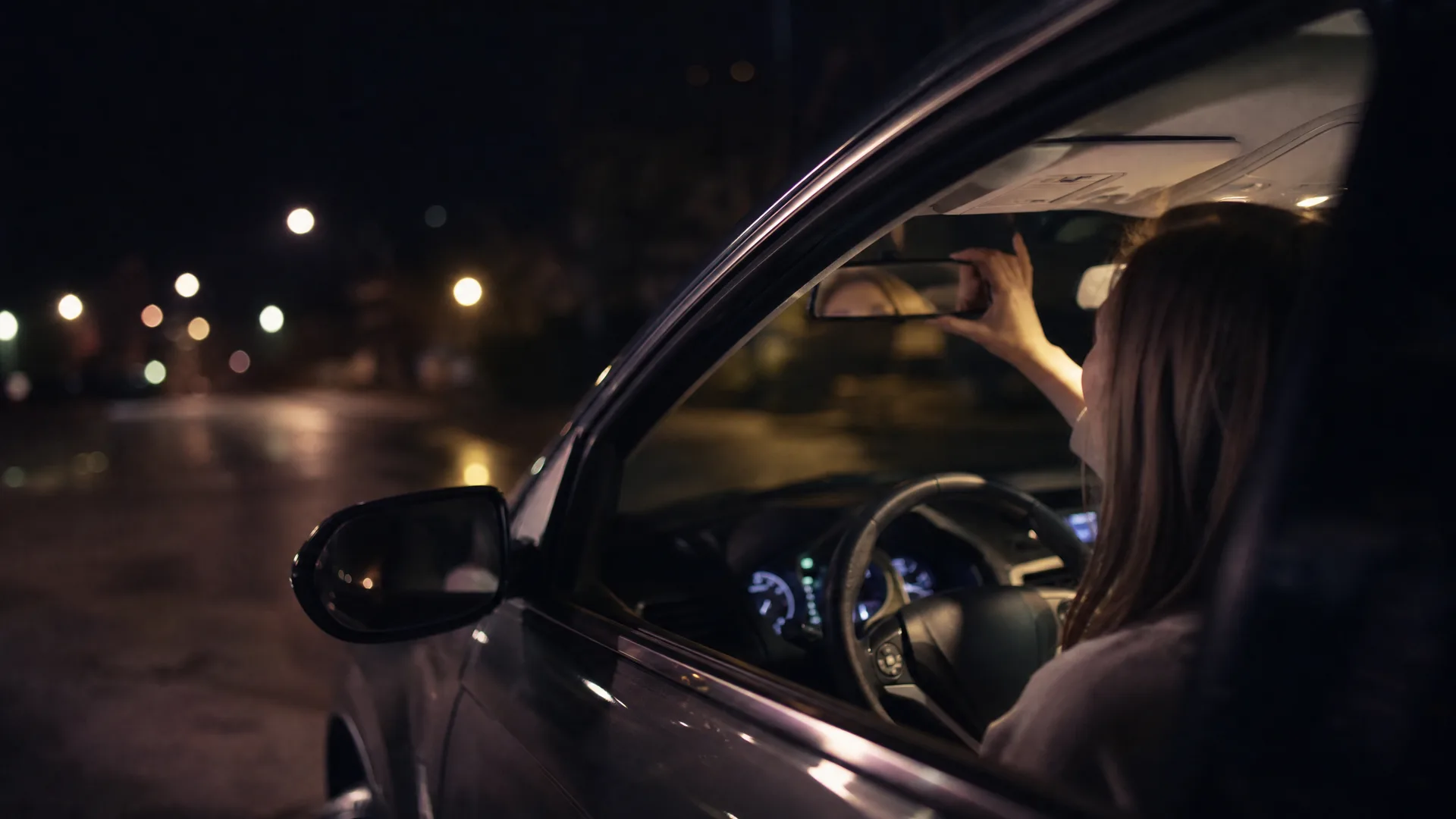
When you fill out an insurance application, you'll see a question asking where your car is parked overnight — and it's separate from your home address for a reason. Insurers use your overnight parking location to calculate theft risk, vandalism probability, and collision likelihood, which can shift your premium by 20-40% even if you're comparing two addresses in the same city. A car parked on a busy street in an urban neighborhood typically costs more to insure than one in a private driveway three blocks away, because claims data shows higher rates of hit-and-runs, break-ins, and weather damage in non-secured locations.
This matters especially for drivers under 25 who may still live at home part-time, attend college in another city, or keep a car at an apartment while their mailing address is their parents' house. If your car sleeps in a campus parking lot six nights a week but you list your parents' suburban driveway as the overnight location, you're technically misreporting — and that can void coverage if you file a claim. Insurers verify parking location through claims investigations, photo timestamps, and sometimes direct questions when you file, so the address you provide needs to reflect where the car actually sits from roughly 10 PM to 6 AM most nights.
The premium (the amount you pay monthly or every six months for coverage) adjusts based on parking type: garage, carport, driveway, street, or apartment lot. Each category carries different risk scores. Street parking in a metro area can add 15-25% to your rate compared to a locked garage, because vandalism and theft claims are statistically higher. If you're a first-time driver building your first policy, understanding this distinction helps you avoid both overpaying and accidentally giving incorrect information that could complicate a future claim.

How Much Your Rate Changes Based on Parking Type
Parking location affects premiums through two mechanisms: the physical security of the space and the ZIP code risk profile where that space sits. A private garage in a low-crime suburb might reduce your rate by 10-15% compared to street parking in the same area. But if you move that same car to a secured garage in a high-density urban ZIP code with elevated theft statistics, your rate might still increase by 20-30% overall — the garage helps, but the location risk dominates.
Typical rate differences by parking type, assuming the same driver and vehicle:
Locked private garage: baseline rate
Carport or attached garage with no lock: +5-10%
Private driveway (no garage): +8-15%
Apartment complex parking lot (gated): +12-20%
Apartment complex parking lot (open): +15-25%
Public street parking (residential): +18-30%
Public street parking (commercial area): +25-40%
These are approximate ranges based on carrier underwriting models — your actual adjustment depends on your insurer's claims history in that specific area and your coverage selections. Comprehensive coverage, which pays for theft and vandalism, is where parking location has the biggest effect, because this is the coverage type that responds to break-ins and stolen vehicles. If you carry only liability insurance (coverage that pays for damage you cause to others), parking location still matters, but the rate impact is smaller because liability claims aren't tied to where your car sits overnight.
For drivers under 25, this can be especially frustrating because you're already paying higher base rates due to age and limited driving history. But understanding the exact mechanism helps you make smarter decisions — like choosing an apartment with gated parking if you're comparing two similar units, or negotiating garage access with a landlord if it's available but not included in your lease.


What Happens If You Report the Wrong Address
Listing the wrong overnight parking location — whether by mistake or intentionally to get a lower rate — creates two problems. First, if you file a claim and the insurer discovers your car was actually parked somewhere other than the address on your policy, they can deny the claim outright or reduce the payout based on what your premium should have been. Second, they can retroactively adjust your rate and bill you for the difference, sometimes going back months or even to the policy start date.
Here's the scenario that trips up most first-time buyers: you live at college but your parents' address is your legal residence and mailing address. You list your parents' suburban home as the overnight parking location because that's where you're "from," but your car actually sits in a campus parking deck five nights a week. You get into an accident or your car is broken into on campus. When you file the claim, the insurer asks where the incident happened, checks where the car is registered, and discovers the mismatch. At that point, they can deny coverage for material misrepresentation — meaning you gave incorrect information that affected the rate they charged you.
This isn't a minor paperwork issue. A denied theft claim could leave you without a car and no payout. A denied collision claim after an at-fault accident could leave you responsible for thousands in repair costs plus any damage you caused to another vehicle. The correct approach is to list the address where the car actually parks most nights, even if that's not your parents' house or your mailing address. Most insurers let you set a different mailing address for documents while using your actual overnight location for rating purposes.
If your parking situation changes — you move, you graduate and bring the car home, or you start parking on the street instead of in a garage — you're required to notify your insurer within a reasonable time frame, typically 30 days. Some states mandate specific notification windows. Failing to update this information can again trigger a claim denial or a retroactive rate adjustment.

Bring Your Under 25 Rate Back to Earth
Compare Rates for Drivers Under 25How to Report Your Parking Situation Correctly
When filling out a quote form or application, the parking question usually appears as a dropdown menu: garaged, carport, driveway, street, or parking lot. Choose the option that matches where your car sits overnight most frequently — if it's garaged five nights a week and on the street two nights, select garage. If it's on the street five nights and garaged two, select street. Insurers base rates on typical use, not occasional exceptions.
If you split time between two locations regularly — like alternating weeks between parents' homes after a divorce, or spending summers at one address and school months at another — report the location where the car will be most of the year. For college students, that means your school address if you keep the car on campus during fall and spring semesters, even if you return home for breaks. If you only take the car to school occasionally and it lives at your parents' house most of the time, report your parents' address. The test is simple: over the next six months (a standard policy term), where will the car sleep most nights?
Some insurers ask for both a garaging address and a mailing address on the same form. If yours does, use the garaging address field for where the car actually parks, and use the mailing address field for where you want documents sent. If the form only asks for one address, clarify with the agent or the online chat tool which address they're asking for — don't assume. A five-minute clarification call can prevent a claim denial months later.
If your parking situation is genuinely variable — you park on the street sometimes and in a garage other times with no clear pattern — report the higher-risk option (street) to avoid any chance of underreporting risk. You'll pay slightly more, but you'll have certainty that your coverage applies no matter where the car is parked when something happens.
Special Situations: College Students, Shared Custody, and Frequent Moves
College students face the most complexity here. If you're under 25, attending school away from home, and keeping a car on campus, you have three options. First, you can stay on your parents' policy as a listed driver and update the garaging address to your school location — this usually increases the rate if you're moving from a suburb to a city, but keeps you on a multi-car policy which is often still cheaper than buying your own. Second, you can stay on your parents' policy and leave the car at home, only driving it during breaks — in this case, the garaging address stays as your parents' home, and you should confirm with the insurer that occasional use by you at school is covered. Third, you can buy your own policy with your school address as the garaging location — this is often the most expensive option, but necessary if you need the car regularly at school and your parents' insurer won't extend coverage to that location.
For drivers splitting time between two homes due to shared custody or other arrangements, most insurers allow you to list one primary garaging address and note the secondary location in the policy notes. The rate is based on the primary address, so choose the higher-risk location as primary to avoid coverage gaps. If the two locations are in different states, you'll generally need to use the state where the car is registered and where you have your driver's license — you can't pick the cheaper state if the car doesn't actually live there.
If you move frequently — say, every few months for work or school — you're required to update your garaging address each time, and your rate will adjust with each move. Some insurers let you update this online in your account portal, others require a phone call. Each address change can trigger a new rate, sometimes mid-term, which means your monthly payment might go up or down without waiting for renewal. Budget for this variability if your living situation is unstable, and keep records of when you reported each address change in case there's ever a dispute about what you told the insurer and when.
Frequently Asked Questions
Can I use my parents' address if I live somewhere else but my car is registered there?
Only if the car actually parks at your parents' address most nights. Registration address and garaging address can be different, but the garaging address must reflect where the car truly sits overnight — using your parents' address when the car is elsewhere can void a claim for misrepresentation.
Do I need to tell my insurance company if I start parking on the street instead of in a garage?
Yes, you're required to notify your insurer when your parking situation changes because it affects your risk profile and premium. Most companies require notice within 30 days of the change, and failing to report it can lead to a denied claim or retroactive rate increase.
How do insurance companies verify where I actually park my car?
Insurers verify parking location during claims investigations by checking where incidents occurred, reviewing photos with location metadata, asking neighbors or property managers, and comparing your reported address to where the car is registered and where you have a driver's license. Mismatches between your stated garaging address and where a claim happens trigger audits.
Will my rate go down if I move my car from street parking to a garage?
Yes, moving from street parking to a private garage typically reduces your premium by 10-25%, with the largest savings on comprehensive coverage since garages reduce theft and vandalism risk. Contact your insurer to update your garaging address and request a rate recalculation as soon as the change is permanent.
Related Articles
Delivery Driver Insurance for New Drivers Under 25
4/5/2026

Leaving Parents' Policy Without Gap in GA
6/11/2026
Car Insurance for New Military Drivers Under 25
4/5/2026

Gap Insurance for New Drivers With Car Loans
4/5/2026
TX Financed Car Full Coverage Rules
6/11/2026
Add a Car to Insurance Before Driving Off the Lot
4/5/2026