
Does a Learner Permit Driver Need Their Own Insurance Policy?
Free to compare
When a Permit Holder Must Be Listed (But Not Separately Insured)
If your teen just got their learner permit and you're reviewing your auto insurance policy, you're likely wondering whether they need their own coverage or if your existing policy covers them. The answer depends on whether they live in your household and whether your carrier considers permit holders to be household drivers requiring explicit disclosure.
Most insurance carriers require you to add a permit holder to your existing policy as a listed driver once they receive the permit — even if they're only driving supervised. Adding a 16-year-old permit holder to a parent's policy typically raises the premium by $125–$250 per month, depending on the state, the number of vehicles, and the carrier's rating structure. This is not separate insurance — it's an endorsement to an existing policy.
Some carriers allow permit holders to be covered under the parent policy without formal listing until the provisional license is issued, but this is becoming less common. State Farm, Geico, and Progressive generally require listing at the permit stage. USAA and some regional carriers allow delayed listing until the license is issued. If you don't notify your carrier and your permit holder causes an accident during a supervised drive, the insurer may deny the claim for material misrepresentation — meaning you failed to disclose a household driver.
The Only Time a Permit Driver Needs Standalone Coverage
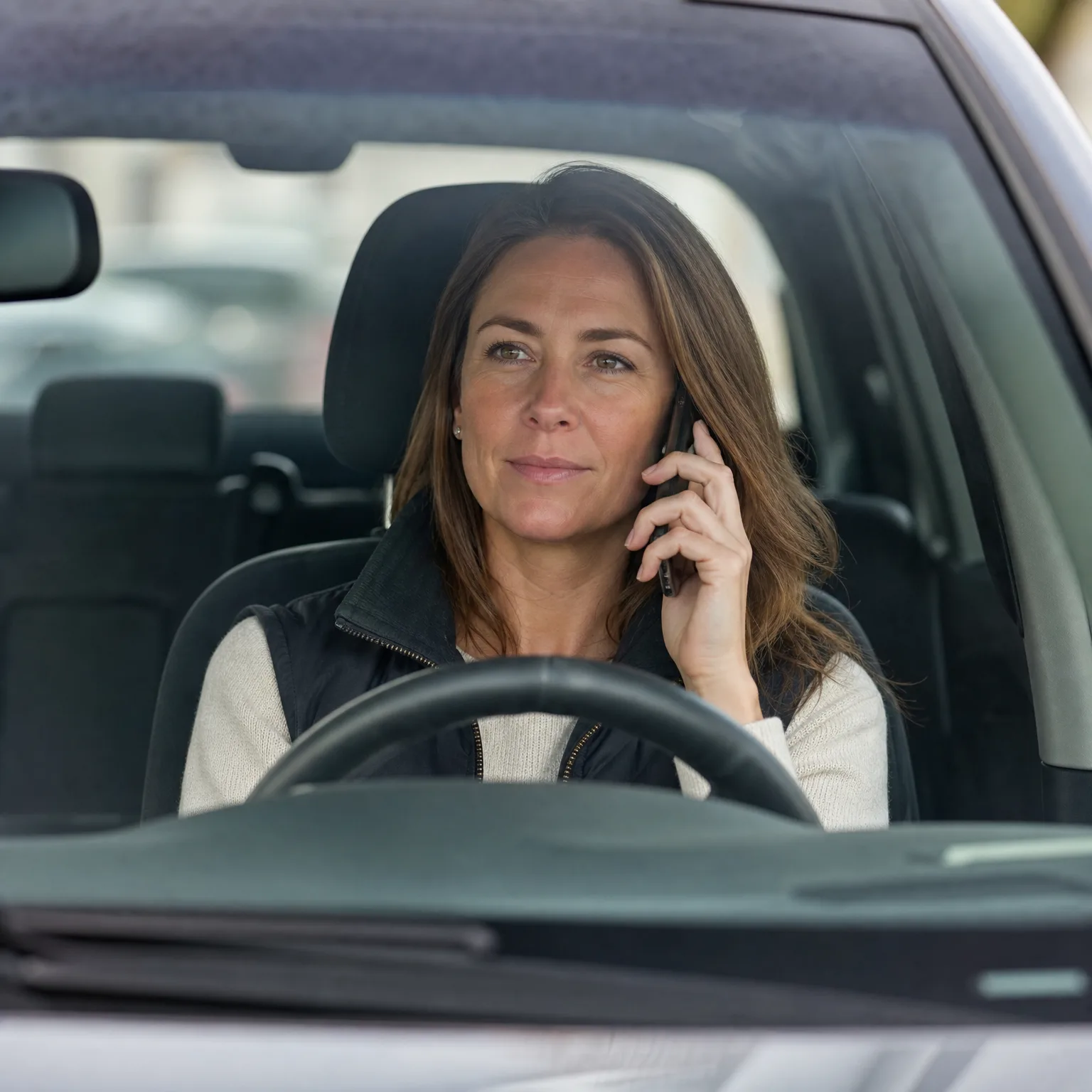
A permit holder needs their own standalone policy in two specific situations: they don't live with a parent or guardian who has an active auto insurance policy, or they own a vehicle titled in their name.
If a 17-year-old permit holder lives independently (emancipated minor, foster care placement, or living with a non-parent who doesn't have insurance), they must purchase a non-owner policy or a standard policy if they own a car. Non-owner policies for permit holders typically cost $40–$90 per month, and most carriers won't issue them to drivers under 18 without proof of financial responsibility or a court order.
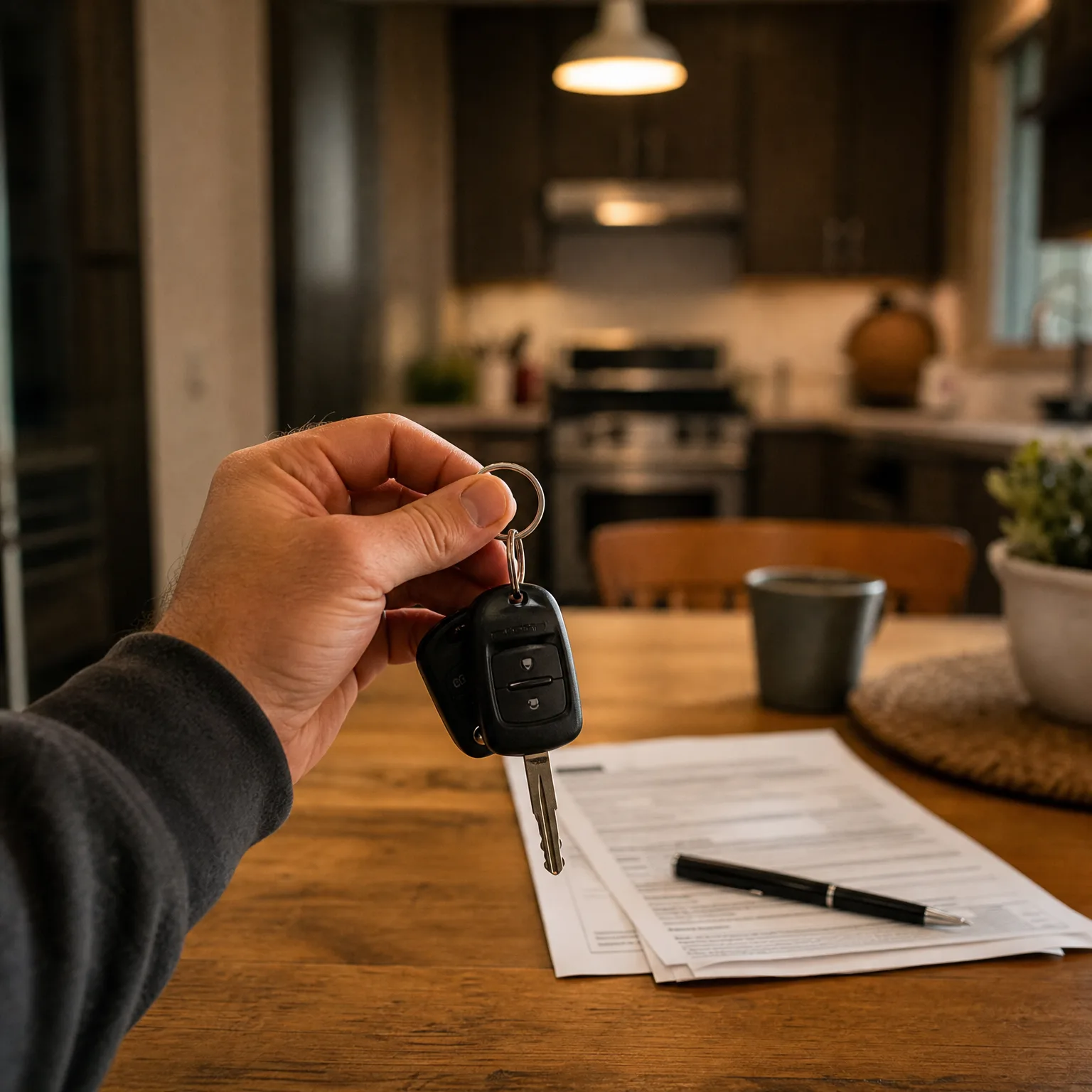
If the permit holder's name appears on the vehicle title — even as a co-owner with a parent — some carriers require a separate policy or refuse to insure the vehicle entirely. This is rare for permit holders but common when parents gift a car to a teen before they're licensed. The vehicle must be insured in the name of the titled owner, and if that's a minor with only a permit, coverage options narrow significantly. Most families resolve this by keeping the vehicle titled solely in the parent's name until the teen obtains a full license.
Why the Permit Stage Costs Nearly as Much as the Licensed Stage
Parents often assume that because a permit holder can only drive with supervision, the insurance cost will be minimal. That assumption is incorrect. Insurance carriers price permit holders nearly identically to newly licensed drivers because the actuarial risk is based on age and inexperience, not licensure status.
A 16-year-old permit holder added to a parent policy increases the household premium by roughly 80–140% of the base cost for one vehicle, which translates to the $125–$250/mo range mentioned earlier. Once the teen obtains a provisional license, the rate may increase an additional 10–20%, but the bulk of the cost hits at the permit stage. This happens because the carrier assumes the permit holder will be driving regularly under supervision, and supervised or not, teen drivers statistically represent the highest collision risk of any age group.
The rate increase is slightly lower in states with strict graduated licensing laws that limit nighttime and passenger restrictions, but the difference is typically only 5–15%. California, New Jersey, and New York permit holders see slightly lower additions than Texas, Ohio, or Florida permit holders, but all face significant increases. The supervised-driving period does not meaningfully reduce the insurance cost.
Bring Your Under 25 Rate Back to Earth
Compare Rates for Drivers Under 25How to Add a Permit Holder Without Overpaying
When you add a permit holder to your policy, the carrier will assign them to a specific vehicle for rating purposes. If you have multiple vehicles, you can sometimes reduce the cost by assigning the teen to the oldest or lowest-value vehicle on the policy, even if they'll occasionally drive other cars. The policy still covers them in any household vehicle, but the rating assignment affects the premium calculation.
Some carriers offer a distant student discount (10–25% reduction) if the permit holder attends school more than 100 miles from home and won't have regular access to a vehicle. This doesn't apply during summer breaks, but it can reduce costs during the school year for college-bound students who obtained permits late.
Bundling your auto and home or renters insurance with the same carrier often unlocks a multi-policy discount that offsets part of the teen driver surcharge. Additionally, some carriers offer a good student discount (typically 10–15%) that applies to permit holders with a B average or higher, even before they're licensed. You'll need to provide a transcript or report card.
Do not attempt to avoid the rate increase by failing to list the permit holder. If they're involved in an accident — even a minor one in a parking lot during a supervised lesson — and the carrier discovers they were an undisclosed household driver, the claim will be denied and your policy may be canceled for misrepresentation. Non-disclosure does not save money; it eliminates coverage entirely when you need it.
State-Specific Permit Insurance Requirements
A handful of states impose specific insurance requirements tied to permit issuance or supervised driving. In Michigan, for example, a permit holder must be listed on a policy before the permit is issued — the Secretary of State requires proof of insurance at the permit application. In California and Texas, proof of insurance is not required at permit issuance, but the supervising driver's policy must cover the permit holder during all supervised drives.
New York requires permit holders to carry proof of insurance when driving, even though they're covered under the supervising driver's policy. The permit holder doesn't need their own policy card, but the parent must carry proof that the household policy includes the teen. Failure to provide proof during a traffic stop can result in fines, even if coverage exists.
In most states, if a permit holder is stopped while driving and cannot prove they're listed on the supervising driver's policy, law enforcement may issue a citation for driving without insurance. The citation can typically be dismissed by providing proof of coverage after the fact, but it creates a court appearance and potential fees. Always carry a digital or physical copy of the policy declarations page showing the permit holder as a listed driver.

When to Compare Quotes for Permit Holder Coverage
If your current carrier quotes an increase above $200/mo to add a permit holder, request quotes from at least three other carriers. Rate variation for teen drivers is significant — the same 16-year-old permit holder might add $180/mo to one policy and $310/mo to another, depending on the carrier's appetite for young driver risk.
Regional carriers and farm bureaus (such as State Auto, Auto-Owners, or Farm Bureau Financial Services) sometimes offer better teen driver rates than national brands, particularly in rural states. These carriers may also allow delayed listing until the provisional license is issued, which can defer the cost increase by 6–12 months depending on how long the permit phase lasts.
When comparing quotes, make sure each includes the same liability limits and deductibles. A quote that appears cheaper may carry state minimum liability limits (often inadequate for a household with a teen driver), while your current policy may include higher limits. For a household with a permit holder, liability coverage of at least 100/300/100 is recommended — that's $100,000 per person for injuries, $300,000 per accident, and $100,000 for property damage.
Frequently Asked Questions
Can a learner permit driver be covered under a parent's policy without being listed?
Most carriers require permit holders to be formally listed as soon as the permit is issued, even if they're only driving supervised. A few carriers allow informal coverage during the permit phase without listing, but this is uncommon and risky — if an accident occurs and the carrier wasn't notified, the claim may be denied for material misrepresentation. Always confirm your carrier's specific listing requirement in writing.
How much does it cost to add a 16-year-old permit holder to car insurance?
Adding a 16-year-old permit holder typically increases a parent's policy by $125–$250 per month, depending on the state, vehicle, and carrier. The cost is nearly identical to adding a newly licensed driver because carriers price based on age and inexperience, not licensure status. The rate may increase an additional 10–20% once the provisional license is obtained, but the bulk of the cost hits at the permit stage.
What happens if I don't tell my insurance company my teen has a permit?
If you don't notify your carrier that a household member has a permit and that person is involved in an accident, the insurer may deny the claim for failure to disclose a household driver. This is considered material misrepresentation, and it can result in claim denial and policy cancellation. Even if no accident occurs, the carrier may retroactively charge premiums or cancel the policy if they discover the undisclosed permit holder during a routine audit.
Does a permit holder need insurance if they don't own a car?
If a permit holder lives with a parent or guardian who has an active auto insurance policy, they do not need a separate non-owner policy — they should be added to the household policy as a listed driver. If they live independently and don't have access to a household policy, they may need a non-owner policy to meet state requirements or provide proof of financial responsibility, but this situation is uncommon for permit holders under 18.
Can I get a good student discount for a permit holder?
Yes, most carriers offer a good student discount (typically 10–15%) that applies to permit holders who maintain a B average or higher, even before they obtain a license. You'll need to provide proof such as a report card or transcript. Some carriers automatically renew the discount each term if grades remain eligible, while others require annual documentation.
Related Articles
Delivery Driver Insurance for New Drivers Under 25
4/5/2026
Leaving Parents' Policy Without Gap in GA
6/11/2026

Car Insurance for New Military Drivers Under 25
4/5/2026
Gap Insurance for New Drivers With Car Loans
4/5/2026
TX Financed Car Full Coverage Rules
6/11/2026
Add a Car to Insurance Before Driving Off the Lot
4/5/2026