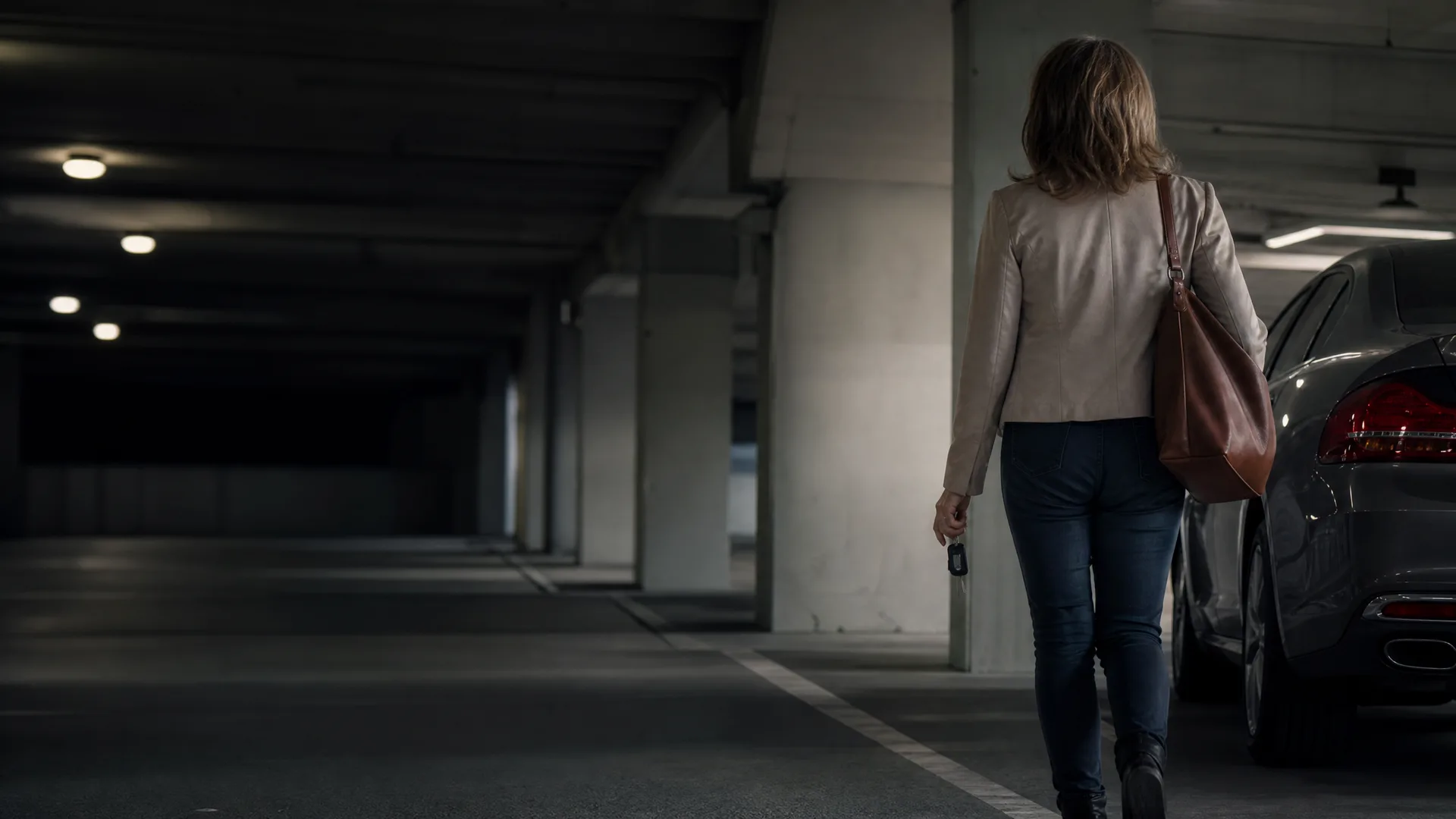
Delivery driver car insurance for new drivers — what changes
Free to compare
The three-phase coverage gap most new delivery drivers miss
Your personal car insurance doesn't automatically extend to delivery driving the moment you turn on a delivery app. Coverage operates in three distinct phases, and different insurance applies in each — creating gaps that catch new drivers off guard when they file claims.
Phase 1 runs when the app is off. Your personal policy covers you normally. Phase 2 begins the moment you open DoorDash, Uber Eats, Instacart, or similar apps and mark yourself available for orders — even if you haven't accepted one yet. Phase 3 starts when you accept an order and continues until delivery is complete. Most delivery platforms provide some coverage in Phase 3, but Phase 2 typically has no coverage from either your personal insurer or the platform.
This matters immediately for new drivers because most personal auto policies contain commercial use exclusions that void coverage the moment you use your vehicle for paid delivery. If you're in an accident while marked available but haven't accepted an order, neither your personal policy nor the delivery platform will pay your claim. The platform's coverage typically only activates after you accept a specific delivery.
New drivers under 25 face an additional complication: you're already paying higher premiums due to age and limited driving history. Adding delivery work without proper coverage doesn't just create a gap — it can trigger policy cancellation if your insurer discovers commercial use after a claim, leaving you needing high-risk coverage that can cost 40–80% more than standard rates.
What delivery platforms actually cover versus what they don't
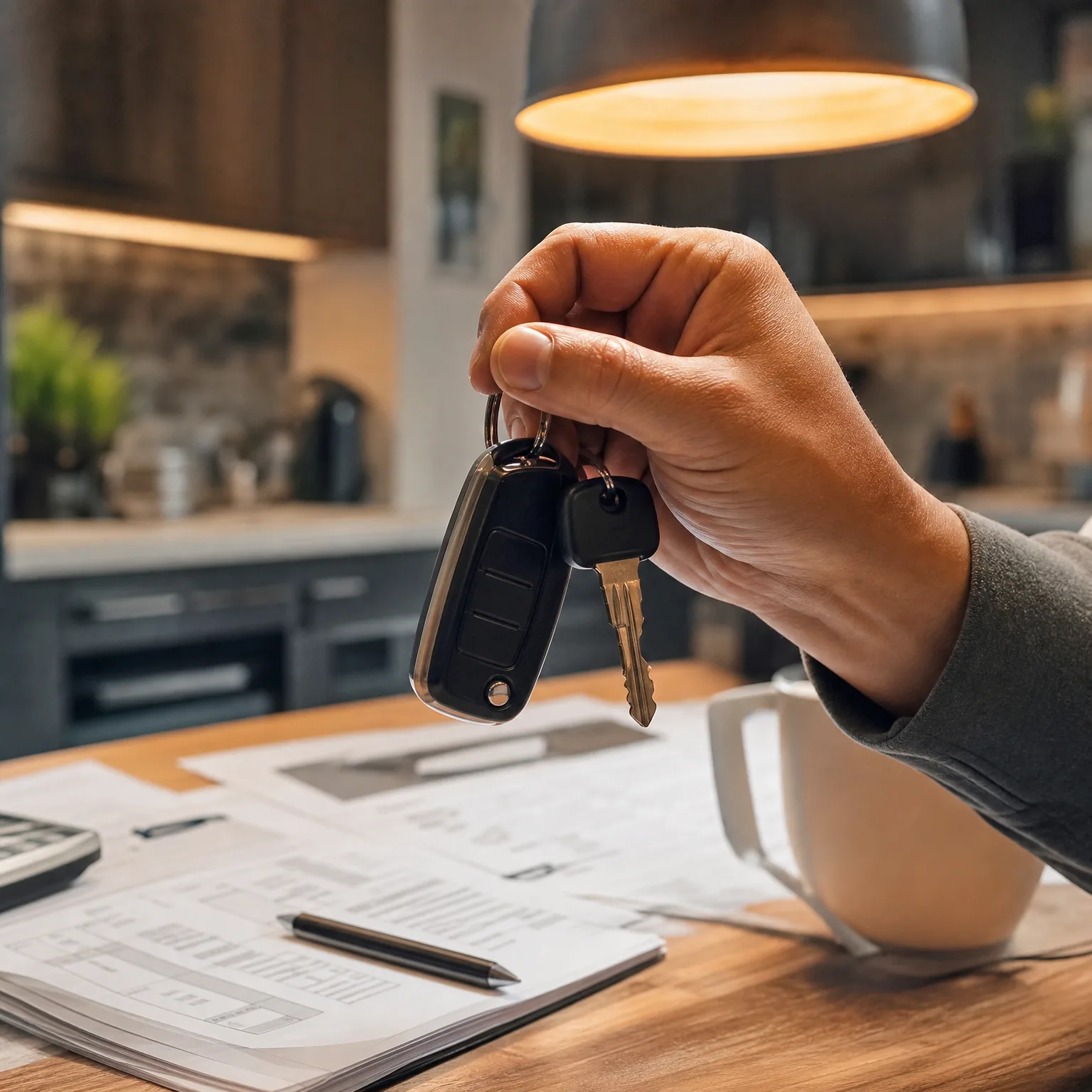
DoorDash, Uber Eats, Grubhub, and Instacart all provide some liability coverage during active deliveries, but the amounts and conditions vary significantly. DoorDash provides $1 million in liability coverage once you accept an order and are traveling to the restaurant or customer. Uber Eats offers similar coverage. Both provide this only in Phase 3 — after order acceptance.
What these platforms don't cover: damage to your own vehicle in most cases, Phase 2 availability periods, and your deductible even when their coverage applies. If you cause an accident during an active delivery, the platform's liability policy covers damage you cause to others, but you need collision coverage on your own policy to repair your car — and most personal policies exclude collision claims during commercial use.
Instacart's occupational accident policy covers medical expenses if you're injured while shopping or delivering, but it doesn't replace the liability coverage or collision protection you need from an auto policy. The occupational coverage addresses injuries to you, not damage you cause to other vehicles or property. New drivers often confuse these two types of protection, assuming the platform's policy replaces their need for proper auto insurance when it actually only supplements it in limited circumstances.

How adding delivery work changes your insurance requirements
The moment you start accepting paid deliveries, you need either a commercial auto policy or a personal policy with a rideshare/delivery endorsement. A commercial policy typically costs $200–$400/mo for drivers under 25, roughly double what you'd pay for personal coverage alone. A rideshare endorsement added to your existing personal policy costs approximately $10–$30/mo but isn't available from all carriers.
State Farm, Geico, and Progressive offer delivery endorsements in most states, though availability varies. The endorsement fills the Phase 2 gap by extending your personal coverage while you're logged into the app but haven't accepted an order. It also ensures your collision and comprehensive coverage remain valid during active deliveries, which standard policies exclude.
If you don't add the endorsement or switch to a commercial policy, you're operating with no valid coverage for significant portions of your delivery shifts. When you file a claim, insurers investigate whether commercial activity was involved. If they discover delivery work without proper coverage, they'll deny the claim and likely cancel your policy. For a new driver, a cancellation triggers non-standard insurance requirements, which can cost $250–$450/mo depending on your state and driving record.
The cost calculation is straightforward: paying $10–$30/mo for an endorsement is cheaper than paying $200–$400/mo for commercial coverage or $250–$450/mo for high-risk insurance after a cancellation. Most new drivers skip this step because they don't realize their personal policy excludes commercial use until after filing a claim.
Bring Your Under 25 Rate Back to Earth
Compare Rates for Drivers Under 25How to add delivery coverage without overpaying
Call your current insurer first and ask specifically whether they offer a rideshare or delivery endorsement. Use those exact terms — don't ask whether your current policy covers delivery work, because the answer is almost certainly no. Ask what the endorsement costs per month and whether it's available in your state. Get the quote in writing before making a decision.
If your current carrier doesn't offer an endorsement, request quotes from State Farm, Geico, Progressive, and Allstate. When requesting quotes, specify that you need delivery coverage and ask for the total monthly cost with the endorsement included. Some insurers will quote you a personal policy rate first, then add the endorsement cost as a surprise during the application process.
For new drivers doing delivery work more than 20 hours per week, a commercial policy may actually cost less than a personal policy with an endorsement once you factor in the lower liability limits allowed on commercial policies. Personal policies typically require liability coverage of at least 50/100/50 (meaning $50,000 per person injured, $100,000 per accident, $50,000 property damage). Commercial policies in some states allow lower limits for delivery work, reducing the premium.
If you're under 21 or have less than three years of driving history, expect some insurers to decline coverage entirely for delivery work. This isn't a rejection of you as a driver — it's a business decision based on the combined risk of age, inexperience, and commercial use. When this happens, contact an independent agent who works with non-standard carriers rather than trying to hide the delivery work from a standard insurer.
When delivery driving triggers mandatory SR-22 filing
Driving for delivery platforms without proper coverage doesn't automatically require SR-22 filing, but the consequences of getting caught often do. If you're in an at-fault accident during a delivery and your insurer denies the claim due to commercial use exclusions, you may be found driving without valid insurance — which triggers SR-22 requirements in most states.
SR-22 isn't a type of insurance. It's a certificate your insurer files with the state proving you carry at least the minimum required liability coverage. States require it after certain violations, including driving without insurance, DUI convictions, or multiple at-fault accidents in a short period. For drivers under 25, SR-22 filing typically increases premiums by 30–50% on top of already-elevated rates, and you must maintain it for three years in most states.
The filing requirement creates a secondary problem: many insurers don't offer both SR-22 filing and delivery endorsements. If you need both, your options narrow to non-standard carriers, and monthly costs can reach $300–$500 depending on your state and violation history. This is why getting proper delivery coverage before your first shift matters — the cost of fixing the problem after a claim denial is five to ten times higher than preventing it.
What happens if you don't disclose delivery work
Insurance applications ask whether you use your vehicle for business purposes. Answering "no" when you drive for DoorDash, Uber Eats, or similar platforms is material misrepresentation — a form of insurance fraud that gives the carrier legal grounds to void your policy retroactively and deny all claims, not just delivery-related ones.
If you're in an accident during a delivery and file a claim without having disclosed the commercial use, the insurer will investigate. They'll request phone records, check whether delivery apps were open at the time of the accident, and review your bank deposits for platform payments. If they find evidence of delivery work, they'll deny the claim, cancel your policy, and potentially report the misrepresentation to other insurers.
A fraud notation on your insurance record follows you. When you apply for coverage elsewhere, insurers see the cancellation reason and either decline to offer coverage or charge high-risk rates that can exceed $400/mo for drivers under 25. The temporary savings from hiding delivery work — perhaps $20–$40/mo — costs you thousands annually once the misrepresentation is discovered.
Some new drivers assume they can avoid this by only turning on the delivery app occasionally or limiting deliveries to a few hours per week. Frequency doesn't matter. Even one active delivery shifts your vehicle use to commercial, triggering the policy exclusion. The question isn't how often you deliver — it's whether you deliver at all.
Frequently Asked Questions
Does my car insurance automatically cover me while doing DoorDash?
No. Most personal auto policies exclude coverage the moment you use your vehicle for paid delivery work. You need either a delivery endorsement added to your personal policy or a separate commercial policy to have valid coverage while logged into delivery apps.
How much does a delivery driver endorsement cost for someone under 25?
A rideshare or delivery endorsement typically adds $10–$30/mo to your existing policy, though availability varies by carrier and state. This is significantly cheaper than the $200–$400/mo a full commercial policy costs for drivers under 25.
Will my insurance company find out if I do delivery driving?
Yes, if you file any claim. Insurers investigate vehicle use during claims processing by reviewing phone records, app activity, and bank deposits. Discovering undisclosed delivery work gives them legal grounds to deny the claim and cancel your policy.
Can I add delivery coverage after I start driving for Uber Eats?
Yes, but any accidents or claims that occurred before adding the coverage won't be covered. Contact your insurer immediately to add a delivery endorsement before your next shift to avoid coverage gaps.
What's the difference between rideshare and delivery endorsements?
They're functionally similar — both extend your personal auto coverage to include commercial use while logged into apps. Some insurers use different terminology, but both cover the gap between when you're available for orders and when you accept one.
Related Articles
Leaving Parents' Policy Without Gap in GA
6/11/2026
Car Insurance for New Military Drivers Under 25
4/5/2026
Gap Insurance for New Drivers With Car Loans
4/5/2026

TX Financed Car Full Coverage Rules
6/11/2026
Add a Car to Insurance Before Driving Off the Lot
4/5/2026
Business Use Car Insurance for New Drivers
4/5/2026