
What under-25 drivers actually pay for car insurance in California
Free to compare
What California drivers under 25 typically pay
Full coverage car insurance in California for drivers under 25 typically runs $200–$350 per month, depending on your age, city, driving record, and the car you're insuring. That's roughly double what a 30-year-old with identical coverage pays — not because of age discrimination, but because of how California carriers price inexperience.
California's Proposition 103 prohibits insurers from using age as a primary rating factor. Instead, carriers use driving record length, years licensed, and accident history — all of which correlate heavily with age but stay within regulatory limits. A 19-year-old with two years of licensed driving history and no prior insurance gets priced as high-risk even if their actual driving is clean.
Liability-only coverage — the state minimum — typically costs $80–$150/month for the same driver. That's California's 15/30/5 minimum: $15,000 per person for injury, $30,000 per accident, and $5,000 for property damage. Most lenders and lease companies require full coverage, which adds collision and comprehensive on top of liability.
If you're financing or leasing your car, expect the higher end of that range. If you own an older car outright and carry liability-only, you'll land closer to the lower end. Your city matters significantly — Los Angeles and San Francisco drivers pay 20–40% more than those in Fresno or Bakersfield due to accident density and theft rates.

Why California prices young drivers this way
Carriers can't use your age directly in California, but they can — and do — price based on how long you've been licensed and how much insurance history you've built. A driver who got their license at 16 and maintained continuous coverage since then will pay less at 21 than someone who got licensed at 20, even though they're the same age now.
This creates a compounding effect. Drivers without prior insurance history pay 15–30% more than those with three years of continuous coverage, regardless of whether they've had claims. Carriers treat a blank insurance record the same way lenders treat thin credit files — as higher risk due to lack of data, not evidence of problems.
The inexperienced operator surcharge — the premium you pay for being new to driving — drops at specific milestones. Most California carriers reduce it significantly at age 21, again at 25, and once you hit three years of clean driving with no at-fault accidents or moving violations. These aren't automatic adjustments. Your current carrier applies them on your renewal, but a new carrier prices your future risk profile — which means shopping right before these milestones hit often gets you better rates than waiting for your current insurer to adjust.
Your credit history compounds this. California allows insurers to use credit-based insurance scores. A 22-year-old with no credit history pays more than one with two years of on-time rent or credit card payments, even with identical driving records. Building credit now directly reduces your insurance costs at your next renewal.

When your rate drops — and when to shop
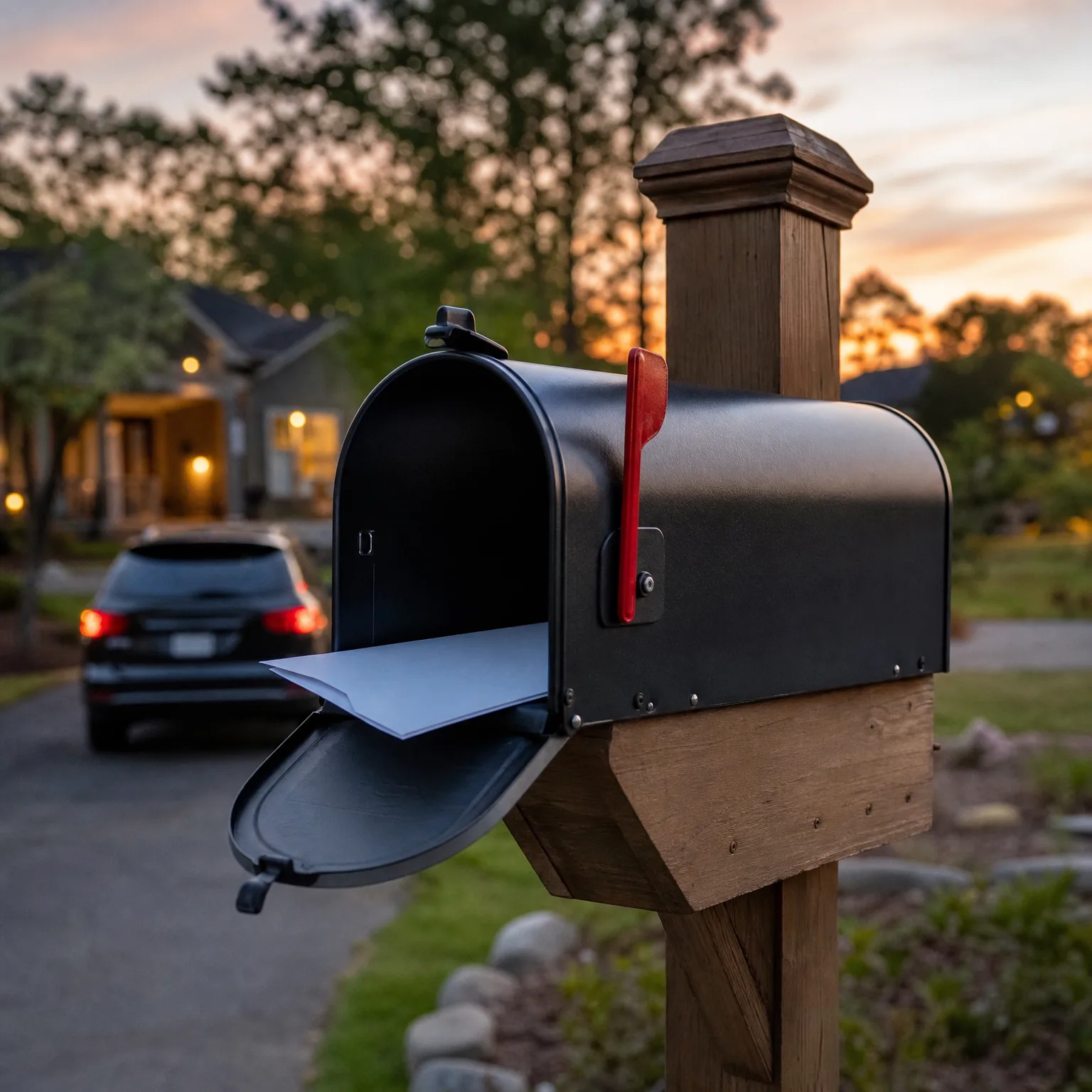
Your premium doesn't drop automatically when you turn 21 or 25. It drops when your carrier re-prices your risk at renewal and determines you've moved into a lower-risk category. That timing matters because most carriers only re-evaluate annually, which means turning 25 in March doesn't affect your rate until your policy renews.
The better move: shop for quotes 30–60 days before your birthday if you're approaching 21 or 25. New carriers price you based on your age and experience at the policy start date. If you're 24 years and 11 months old when you get a quote, they price you as 25. Your current carrier prices you based on what you were when the policy started, then applies incremental discounts at renewal.
The three-year clean record milestone works the same way. Once you've held a license for three consecutive years with no at-fault accidents, moving violations, or lapses in coverage, most California carriers move you into a lower pricing tier. This happens even if you're still under 25. But it only applies if your coverage has been continuous — a single lapse of more than 30 days resets the clock.
Graduated licensing also affects your rate. California's provisional license restrictions lift when you turn 18, but carriers treat provisionally licensed drivers as higher risk until they've held an unrestricted license for at least one year. If you got your full license at 18, expect a noticeable rate drop around your 19th birthday, assuming you've maintained clean driving.
Staying on a parent's policy versus getting your own
Staying on a parent's policy costs less per month — typically $100–$200 added to their premium versus $200–$350 for your own policy. But it doesn't build your own insurance history. When you eventually get your own policy at 25 or 27, carriers still treat you as a first-time policyholder because you've never been the named insured.
This creates a long-term cost problem. A driver who stays on their parents' policy until 26, then gets their own, pays new-driver rates at 26. A driver who splits off at 22 and maintains their own policy pays experienced-driver rates at 26 — even though both have been driving the same amount of time. Four years of independent policy history typically saves 20–35% compared to splitting off late with no history.
The breakpoint depends on your parents' policy structure and your driving record. If your parents have a multi-car discount and you're listed as an occasional driver on an older vehicle, staying on makes financial sense for another year or two. If you're the primary driver of your own car and your parents' rates spiked significantly when you were added, getting your own policy starts building history without costing much more.
One exception: if you're away at school more than 100 miles from home and don't have a car with you, most California carriers offer a student-away-at-school exclusion that removes you from your parents' active premium while keeping you listed on the policy. You're still covered when you visit and drive their car, but they don't pay the full young-driver surcharge year-round.
Bring Your Under 25 Rate Back to Earth
Compare Rates for Drivers Under 25
Discounts that apply specifically to drivers under 25
Good student discounts range from 5% to 25% at most major California carriers, but they expire if you don't renew them. You typically need a 3.0 GPA or higher, verified each semester with a transcript or report card. Most carriers require you to submit updated proof every six months — if you don't, the discount drops off at your next renewal even if your GPA is still qualifying.
Telematics programs — the apps that track your driving and adjust your rate based on behavior — tend to favor young drivers more than older ones. If you drive infrequently, avoid peak traffic hours, and don't make hard stops, telematics can cut 10–30% off your premium. Young drivers who work evening shifts or weekends and drive mostly off-peak often see larger discounts than older commuters who drive in rush hour daily.
Defensive driving course discounts apply in California, but they're usually one-time and small — around 5–10%. The course costs $20–$50 and the discount lasts one to three years depending on the carrier. Worth doing once, not worth repeating unless your rate is extremely high and you're willing to take the course every renewal period.
Multi-policy discounts work if you're renting an apartment and can bundle renters insurance with your auto policy. Renters insurance costs $12–$20/month in California, and bundling it typically saves 5–15% on your auto premium. For a $250/month car insurance bill, that's $12–$37/month saved — more than the cost of the renters policy itself.

What happens if you let coverage lapse
A lapse in coverage — any gap longer than 30 days where you don't have active insurance — resets your rate to near first-time-driver pricing when you reapply. California carriers treat a lapse as a strong risk signal. Even if your driving record is clean, a six-month gap can increase your premium by 20–50% compared to what you'd pay with continuous coverage.
The penalty compounds over time. A single lapse erases your continuous coverage history, which means the three-year clean record discount and the experienced-driver pricing both reset. If you lapse at 23 after two years of coverage, you start over at 23 as if you'd never been insured — and you'll pay new-driver rates until you rebuild three years of history.
If you're selling a car and won't have another one for a few months, don't just cancel your policy. Most California carriers offer non-owner car insurance policies for $30–$60/month. It's liability-only coverage that applies when you drive someone else's car, and it keeps your insurance history continuous even if you don't own a vehicle. When you buy your next car and convert back to a standard policy, you avoid the lapse penalty.
If you're deployed military, attending school abroad, or have another valid reason for not driving, some carriers offer policy suspension rather than cancellation. You're not paying the full premium, but you're maintaining continuous coverage status. Not all carriers offer this — ask before you cancel.
How the car you drive changes what you pay
The car you insure affects your premium as much as your driving record does. A 2015 Honda Civic costs 30–50% less to insure than a 2015 Dodge Charger for the same driver, primarily because of theft rates, repair costs, and accident statistics for each model. California carriers price comprehensive and collision coverage based on the vehicle's actual cash value and its likelihood of being stolen or totaled.
Older cars with low market value often make liability-only coverage the better financial decision. If your car is worth $3,000 and full coverage costs $250/month, you're paying $3,000 per year to insure a $3,000 asset. Collision coverage on that car typically comes with a $500–$1,000 deductible, so the maximum payout after a total loss is $2,000–$2,500. Over two years, you've paid more in premiums than the car's value.
Financed and leased vehicles require full coverage — your lender holds a lienholder interest on the policy and mandates both collision and comprehensive. You can't drop to liability-only until the loan is paid off. If your loan requires coverage you can't afford, the car itself may be the problem — not the insurance.
Safety features reduce your rate modestly. Anti-lock brakes, airbags, and anti-theft devices each trim 2–5% off your premium at most carriers. Newer cars with automatic emergency braking and lane departure warnings sometimes qualify for additional discounts, but the savings rarely offset the higher collision and comprehensive costs of insuring a newer, more expensive vehicle.
Frequently Asked Questions
Does car insurance get cheaper when you turn 25 in California?
It typically drops, but not automatically. Most California carriers reduce the inexperienced operator surcharge at 25, but the change only applies at your policy renewal — not on your birthday. Shopping for new quotes 30–60 days before you turn 25 often gets you the lower rate immediately instead of waiting for your current carrier to adjust at renewal.
How much does it cost to add a driver under 25 to a parent's policy in California?
Adding a driver under 25 to a parent's policy increases the premium by $100–$200 per month on average, depending on the driver's age, gender, and whether they're listed as the primary driver of a specific vehicle. The increase is lower if the young driver is listed as an occasional driver rather than primary.
What is the cheapest car insurance for a 20-year-old in California?
The cheapest option is typically liability-only coverage from a regional or smaller carrier, averaging $80–$120/month. GEICO, Progressive, and Wawanesa often quote competitively for young drivers in California. The actual cheapest carrier varies by city, driving record, and the specific car you're insuring — rates differ by 20–40% between carriers for identical coverage.
Can I get car insurance in California if I just got my license?
Yes. Newly licensed drivers can get insurance immediately, but rates are highest in the first year. Expect $250–$400/month for full coverage as a brand-new driver. Rates drop significantly after your first year of licensed driving with no violations, and again at the three-year mark if your record stays clean.
Does a gap in car insurance affect your rate in California?
Yes — significantly. A lapse longer than 30 days resets your continuous coverage history and can increase your premium by 20–50% when you reapply. California carriers treat lapses as high-risk signals even if your driving record is otherwise clean. Maintaining continuous coverage, even with a non-owner policy if you don't have a car, avoids this penalty.
Related Articles

Delivery Driver Insurance for New Drivers Under 25
4/5/2026

Leaving Parents' Policy Without Gap in GA
6/11/2026

Car Insurance for New Military Drivers Under 25
4/5/2026
Gap Insurance for New Drivers With Car Loans
4/5/2026

TX Financed Car Full Coverage Rules
6/11/2026

Add a Car to Insurance Before Driving Off the Lot
4/5/2026