
Car Insurance for New Drivers Who Use Their Car for Work
Free to compare
Why Personal Auto Policies Don't Cover All Work Use
Personal auto insurance policies are written to cover personal driving and commuting—the trip from your home to a single workplace and back. The moment you use your vehicle during work hours for business purposes, you've moved into a different risk category that standard policies exclude. This includes driving between job sites, transporting clients or goods for pay, making deliveries, or picking up supplies as part of your job duties.
The distinction matters because insurers price personal policies based on commuting risk, which is predictable and limited. Business use introduces variables like higher mileage, unfamiliar routes, time pressure, and liability exposure to third parties who aren't your employer. A personal auto policy typically excludes claims that occur while the vehicle is used for commercial purposes, even if you're paying for full coverage.
If you're delivering food, driving for a ride-share service, making sales calls, or shuttling between work locations during your shift, you need to either disclose this use to your insurer and pay for business use coverage, or obtain a separate commercial policy. Failing to disclose turns every work trip into an uninsured event—your insurer can deny the claim entirely if they discover the vehicle was being used for business at the time of an accident.
What Counts as Business Use vs. Commuting
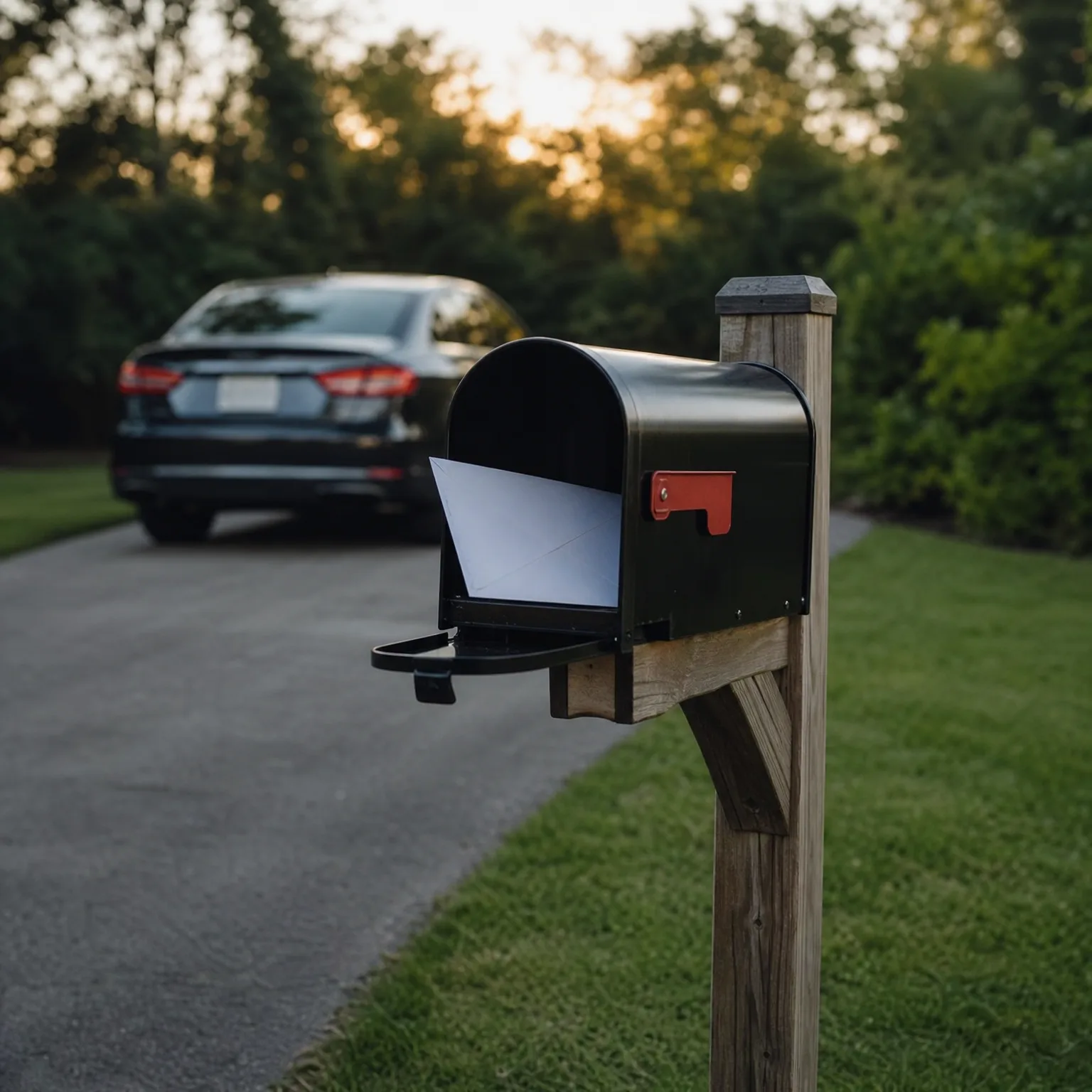
Commuting is defined as travel between your home and a single, regular workplace. If you drive from your house to an office, warehouse, or job site and park there for your shift, that's commuting and your personal policy covers it. The coverage extends to occasional errands on the way home, like stopping for groceries.
Business use begins when your vehicle becomes a tool of your work. This includes driving to multiple locations during a workday (construction workers moving between sites, home health aides visiting patients, sales reps meeting clients), transporting goods or people for compensation (delivery drivers, ride-share, moving furniture), or using your car to generate income outside a traditional employment structure. Even unpaid business use—like a volunteer driving supplies for a nonprofit—can trigger the exclusion.
Gray areas exist: if you occasionally pick up office supplies on your lunch break, most insurers consider that incidental and won't require disclosure. But if picking up supplies is a regular job duty listed in your role, or if your employer reimburses mileage, you've crossed into business use territory. When in doubt, disclose the activity to your insurer before your first work trip—adding business use to a personal policy typically increases premiums 10–20%, but it's far cheaper than paying out-of-pocket for an accident your insurer refuses to cover.


How Business Use Affects Your Premium
Adding business use coverage to a personal auto policy increases your premium because you're on the road more often, in more varied conditions, and with higher liability exposure. For new drivers under 25, expect business use to add approximately $15–$35 per month to your base premium, depending on how many miles you drive for work and what type of business activity you're engaged in.
The increase varies by insurer and risk level. Occasional business use—defined as fewer than 10 trips per month or under 200 business miles monthly—typically adds 10–15% to your premium. Regular business use (daily driving for work purposes) can increase rates 20–30%. High-risk business use like delivery driving or transporting passengers may require a commercial policy entirely, which can cost 50–100% more than personal coverage.
Some insurers offer hybrid products for gig workers. If you drive for a food delivery app or ride-share service, many platforms provide coverage while you're actively on a trip, but not during the time you're logged in and waiting for a request. You'll need to confirm your personal policy covers that gap or purchase supplemental coverage. For new drivers, this often means paying for both personal coverage and a ride-share endorsement, which adds roughly $10–$25/mo depending on how many hours per week you're logged into the app.

Bring Your Under 25 Rate Back to Earth
Compare Rates for Drivers Under 25What Happens If You Don't Disclose Business Use
If you're involved in an accident while using your car for work and you haven't disclosed business use to your insurer, the company can deny your claim entirely. This isn't a reduction in payout—it's a complete denial, leaving you personally liable for all damages, medical bills, and legal costs. For a serious accident, this can mean tens or hundreds of thousands of dollars in out-of-pocket liability.
Insurers discover undisclosed business use through several channels: accident reports that indicate you were on the job, GPS or app data showing commercial activity, witness statements, or your own description of what you were doing at the time of the crash. Even if the business use didn't cause the accident—say, someone rear-ends you while you're stopped at a light during a delivery—the insurer can still deny coverage because the policy exclusion is based on use at the time of loss, not fault.
Beyond claim denial, non-disclosure can result in policy rescission, meaning the insurer cancels your coverage retroactively and refunds your premiums. This creates a lapse in coverage that follows you to future insurers, often resulting in non-standard insurance classification and rate increases of 30–50% for the next three to five years. For new drivers already facing high premiums, this compounds into rates that may exceed $250–$350/mo for minimum coverage.

How to Get Covered for Work Use
Start by contacting your current insurer and describing exactly how you use your vehicle for work: how many days per week, approximate miles per month, and what you're doing (transporting goods, visiting clients, making deliveries). Ask whether your policy can be endorsed for business use or if you need a separate commercial policy. Get the coverage change in writing before your first work trip—verbal confirmations don't hold up if a claim is denied.
If your insurer doesn't offer business use coverage or quotes a prohibitively high premium, shop specifically for insurers that specialize in young drivers with business use. Some carriers offer commercial policies designed for single-vehicle owner-operators that cost only 20–40% more than personal coverage. Others offer hybrid policies that cover both personal and light business use under one premium.
For gig work like food delivery or ride-sharing, check whether the platform provides any insurance and understand exactly when it applies. Uber and Lyft, for example, provide liability coverage while you're en route to pick up a passenger or during a trip, but not while you're offline or waiting for a request. You'll need to either add a ride-share endorsement to your personal liability policy or accept the gap in coverage. Most endorsements cost $10–$30/mo and activate automatically when you log into the app, eliminating the need to manually switch between policies.

Coverage Options for Different Types of Work Driving
If you drive to multiple work sites but don't transport goods or passengers—like a construction worker, home health aide, or field technician—a business use endorsement on your personal policy is typically sufficient. This adds business use as a covered activity without requiring a full commercial policy. Expect to pay an additional 10–20% on top of your base premium, and confirm the endorsement covers all locations you visit, not just a primary workplace.
If you transport goods for compensation—package delivery, food delivery, courier services—you likely need either a commercial auto policy or a specialized gig worker policy. Personal policies with business use endorsements typically exclude paid delivery. Commercial policies for single-vehicle operators start around $150–$250/mo for new drivers, depending on cargo value and delivery frequency. Some food delivery platforms offer occupational accident coverage, but this protects you, not the other driver—you still need liability coverage that applies during delivery activity.
If you transport passengers for pay—ride-share, medical transport, shuttle services—you need coverage that specifically includes passenger liability. Standard personal policies exclude this, and most commercial policies require higher liability limits (often $100,000 per person / $300,000 per accident minimum). Ride-share endorsements bridge the gap for drivers who toggle between personal and commercial use, covering you from the moment you log into the app until you log out, and typically cost $15–$35/mo depending on how many hours per week you drive.
Frequently Asked Questions
Does driving to work count as business use?
No, commuting between your home and a single regular workplace is covered under personal auto insurance and does not require business use coverage. Business use applies when you drive during work—between multiple job sites, to client locations, or for deliveries—not just to and from work.
How much does business use coverage add to car insurance?
Business use typically adds 10–20% to your personal auto premium for occasional use, or roughly $15–$35 per month for drivers under 25. Regular daily business use or delivery driving may increase rates 20–30% or require a commercial policy that costs 50–100% more than personal coverage.
Can I use my personal car insurance for DoorDash or Uber?
Not without additional coverage. Personal auto policies exclude paid delivery and passenger transport, so you need either a ride-share or delivery endorsement on your personal policy, or a commercial policy. Many gig platforms provide coverage during active trips but not while you're waiting for requests, creating a gap your personal policy must cover.
What happens if I get in an accident while driving for work?
If you haven't disclosed business use to your insurer, your claim can be denied entirely, leaving you personally liable for all damages and medical costs. Insurers discover undisclosed business use through accident reports, app data, or your own description of the trip, and denial applies even if the business use didn't cause the accident.
Do I need commercial insurance if I drive for work sometimes?
It depends on what you do while driving. Occasional business use like visiting client offices can often be covered by adding a business use endorsement to your personal policy. Paid delivery, passenger transport, or regular multi-site driving typically requires either a specialized endorsement or a full commercial policy.
Related Articles

Delivery Driver Insurance for New Drivers Under 25
4/5/2026
Leaving Parents' Policy Without Gap in GA
6/11/2026

Car Insurance for New Military Drivers Under 25
4/5/2026
Gap Insurance for New Drivers With Car Loans
4/5/2026
TX Financed Car Full Coverage Rules
6/11/2026

Add a Car to Insurance Before Driving Off the Lot
4/5/2026