
Car Insurance for First-Time Drivers in Ohio: What You'll Actually Pay
Free to compare
Ohio's Minimum Requirements vs. What Actually Protects You
You just got your license or your first car, and Ohio law says you need $25,000 in bodily injury coverage per person, $50,000 per accident, and $25,000 in property damage — the minimum 25/50/25 liability policy. That meets the legal requirement to register your vehicle and drive legally, but it won't cover the full cost of most serious accidents.
If you cause an accident that injures someone badly enough to require hospitalization, medical bills can exceed $25,000 within days. The average hospital stay costs around $15,000, and emergency surgery can add $30,000 to $100,000 or more. If your liability coverage maxes out at $25,000 and the actual damages are $60,000, you're personally responsible for the remaining $35,000 — and the injured party can sue you for it, potentially garnishing your wages or placing liens on property you own now or acquire later.
For first-time drivers in Ohio, the difference between minimum liability and a 100/300/100 policy (which provides $100,000 per person, $300,000 per accident, and $100,000 in property damage) typically runs $30 to $60 per month. That's the cost of protecting yourself from financial liability that could follow you for years versus saving roughly the cost of a few streaming subscriptions.
What First-Time Drivers Actually Pay in Ohio
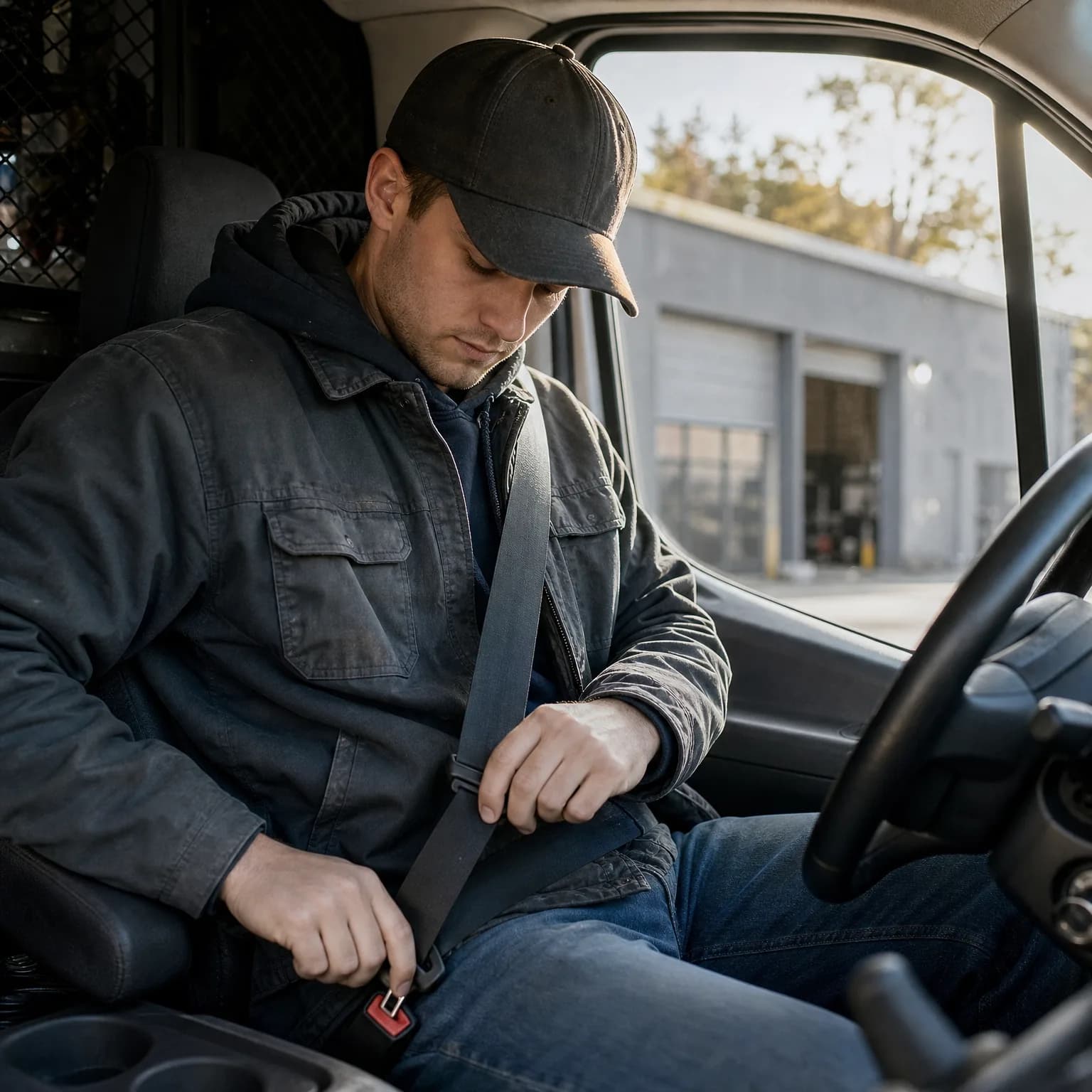
First-time drivers under 25 in Ohio pay an average of $180 to $320 per month for minimum liability coverage, depending on location, gender, and whether you're on your own policy or added to a parent's plan. Male drivers typically pay 10% to 20% more than female drivers in the same age bracket. If you live in Columbus or Cleveland, expect rates at the higher end of that range due to higher accident frequency and theft rates.
Adding collision coverage (which pays to repair your car if you cause an accident) and comprehensive coverage (which covers theft, vandalism, weather damage, and hitting an animal) raises monthly costs to approximately $280 to $500 per month for first-time drivers. This is often called full coverage, though that term has no standard industry definition — it typically means liability plus collision and comprehensive, each with a deductible you choose.
Your deductible is the amount you pay out of pocket before insurance covers the rest. A $500 deductible typically costs $40 to $70 more per month than a $1,000 deductible. If you can afford to pay $1,000 after an accident without financial hardship, choosing the higher deductible saves you $480 to $840 per year — meaning it pays for itself after roughly 14 to 25 months of driving without a claim.


How Ohio Calculates Your Rate as a First-Time Driver
Ohio allows insurers to use age, gender, credit-based insurance score, ZIP code, and vehicle type to calculate premiums. As a first-time driver, you have no claims history and no driving record to prove low risk, so insurers price you based on statistical likelihood — and drivers under 25 are statistically three times more likely to file a claim than drivers over 30.
Your credit-based insurance score matters more than most new drivers realize. Insurers in Ohio can legally use your credit history as a pricing factor, and a driver with excellent credit may pay 30% to 50% less than an identical driver with poor credit, even with no driving record in either case. If you have limited or no credit history, you'll typically be grouped with moderate-risk drivers rather than penalized as high-risk, but building credit before buying your first policy can lower your rate significantly.
The car you drive changes your premium as much as your age does. A 2015 Honda Civic costs roughly $80 to $140 less per month to insure than a 2015 Ford Mustang for the same driver, because the Civic has lower theft rates, cheaper repair costs, and less powerful acceleration. If you haven't bought your first car yet, check insurance costs before you commit — the difference between an affordable and unaffordable premium often comes down to vehicle choice, not coverage level.

Bring Your Under 25 Rate Back to Earth
Compare Rates for Drivers Under 25When State Minimums Make Sense (and When They Don't)
Minimum liability coverage makes financial sense in exactly two situations: you drive an older car worth less than $3,000 that you could afford to replace out of pocket, and you have no assets worth protecting from a lawsuit. If you own nothing and earn little, there's limited financial exposure for someone to collect from you if they sue after an accident.
If you're financing or leasing your car, minimum coverage isn't an option — your lender will require collision and comprehensive coverage until the loan is paid off. This protects the lender's financial interest in the vehicle, not yours, but it also ensures you're not stuck making monthly payments on a totaled car with no insurance payout to offset the loss.
For most first-time drivers, 100/300/100 liability limits with at least $100,000 in uninsured motorist coverage provides a reasonable balance between cost and protection. Uninsured motorist coverage pays your medical bills and lost wages if you're hit by a driver with no insurance or insufficient coverage to pay your damages — and roughly 12% to 14% of Ohio drivers are uninsured at any given time, meaning one in eight accidents involves a driver who can't pay for the harm they cause.

How to Lower Your Rate Without Cutting Coverage
Staying on a parent's policy costs significantly less than buying your own — typically 40% to 60% lower monthly premiums for the same coverage. If your parents have a clean driving record and good credit, adding you to their policy leverages their lower risk profile. You'll still increase their total premium, but your individual cost per month will be much lower than going solo.
Completing a state-approved defensive driving course can reduce your premium by 5% to 10% for three years in Ohio. The course costs around $30 to $60 and takes roughly six hours to complete online. The savings typically exceed the course cost within the first four to six months, and most insurers apply the discount as soon as you submit your certificate of completion.
Paying your premium in full every six months instead of monthly eliminates installment fees that add $5 to $15 per month to your cost. If you're quoted $240 per month, that's often $1,440 paid over six months in twelve installments — but paying the full six-month term upfront might cost $1,380, saving you $60. If you can't afford the lump sum, ask about autopay discounts, which typically save $3 to $8 per month and reduce the risk of a coverage lapse from a missed payment.
What Happens If You Drive Without Insurance in Ohio
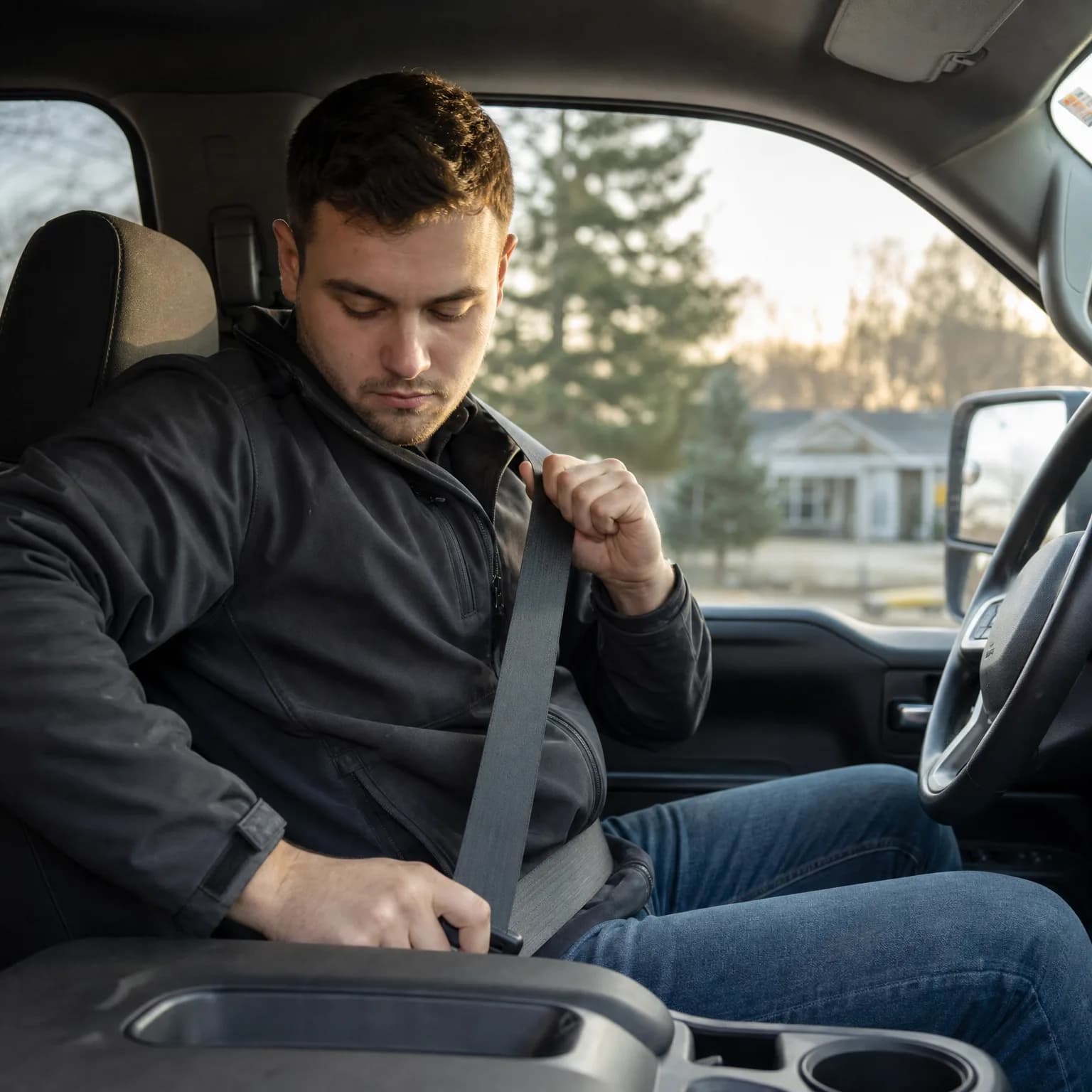
Ohio uses a random selection system to verify insurance coverage. If you're selected and can't provide proof of coverage within the deadline, the BMV suspends your vehicle registration and your driver's license. Reinstatement requires filing an SR-22 certificate, which is a form your insurer files with the state proving you carry at least minimum liability coverage.
SR-22 isn't a type of insurance — it's a filing requirement that follows a suspension, and it increases your premium by an average of $30 to $80 per month for three years. You must maintain continuous coverage during that period with no lapses, or the suspension clock resets and you start the three-year SR-22 period over from the beginning.
If you're caught driving without insurance after an accident, you face a minimum 90-day license suspension, court fines starting at $150, and potential vehicle impoundment. The cost of maintaining legal coverage is almost always lower than the cost of a single suspension and reinstatement process, which can easily exceed $1,000 when you factor in reinstatement fees, SR-22 filing costs, higher premiums, and lost wages from court appearances.
Frequently Asked Questions
Can I get car insurance in Ohio with just a permit?
Yes, but you don't usually need your own policy while holding a learner's permit. If you're practicing with a licensed adult, you're typically covered under their auto insurance policy as a permissive driver. You'll need your own policy or to be added as a named driver once you receive your probationary license and begin driving independently.
Do I need collision coverage if my car is paid off?
Not legally, but it depends on whether you can afford to replace your car out of pocket. If your car is worth $5,000 and you don't have $5,000 in savings to replace it after an at-fault accident, collision coverage protects you from that loss. If the car is worth less than $2,000 and your collision deductible is $500 or $1,000, the coverage often costs more over two years than the maximum payout you'd ever receive.
How long do I have to carry SR-22 in Ohio?
Typically three years from the date of your license reinstatement, with no lapses in coverage during that period. If your policy cancels or lapses for any reason, the BMV is notified immediately and your license is suspended again. The three-year clock resets from the new reinstatement date, not from where you left off.
Will my rate go down once I turn 25?
Usually, but age is only one factor. Turning 25 typically reduces premiums by 10% to 20% if you have a clean driving record, but a ticket or accident in your early twenties can offset that decrease. The bigger rate drops come from building years of claims-free driving history, not just aging out of the highest-risk bracket.
What happens if I let my coverage lapse for a few days?
Even a one-day lapse can result in a registration suspension notice from the BMV, and most insurers will increase your rate when you reinstate coverage because a coverage gap is treated as a risk signal. If the lapse exceeds 90 days, you may be required to file SR-22 and pay significantly higher premiums for three years.
Related Articles

Delivery Driver Insurance for New Drivers Under 25
4/5/2026

Leaving Parents' Policy Without Gap in GA
6/11/2026

Car Insurance for New Military Drivers Under 25
4/5/2026

Gap Insurance for New Drivers With Car Loans
4/5/2026

TX Financed Car Full Coverage Rules
6/11/2026
Add a Car to Insurance Before Driving Off the Lot
4/5/2026