What Affects Rates in Wilmington
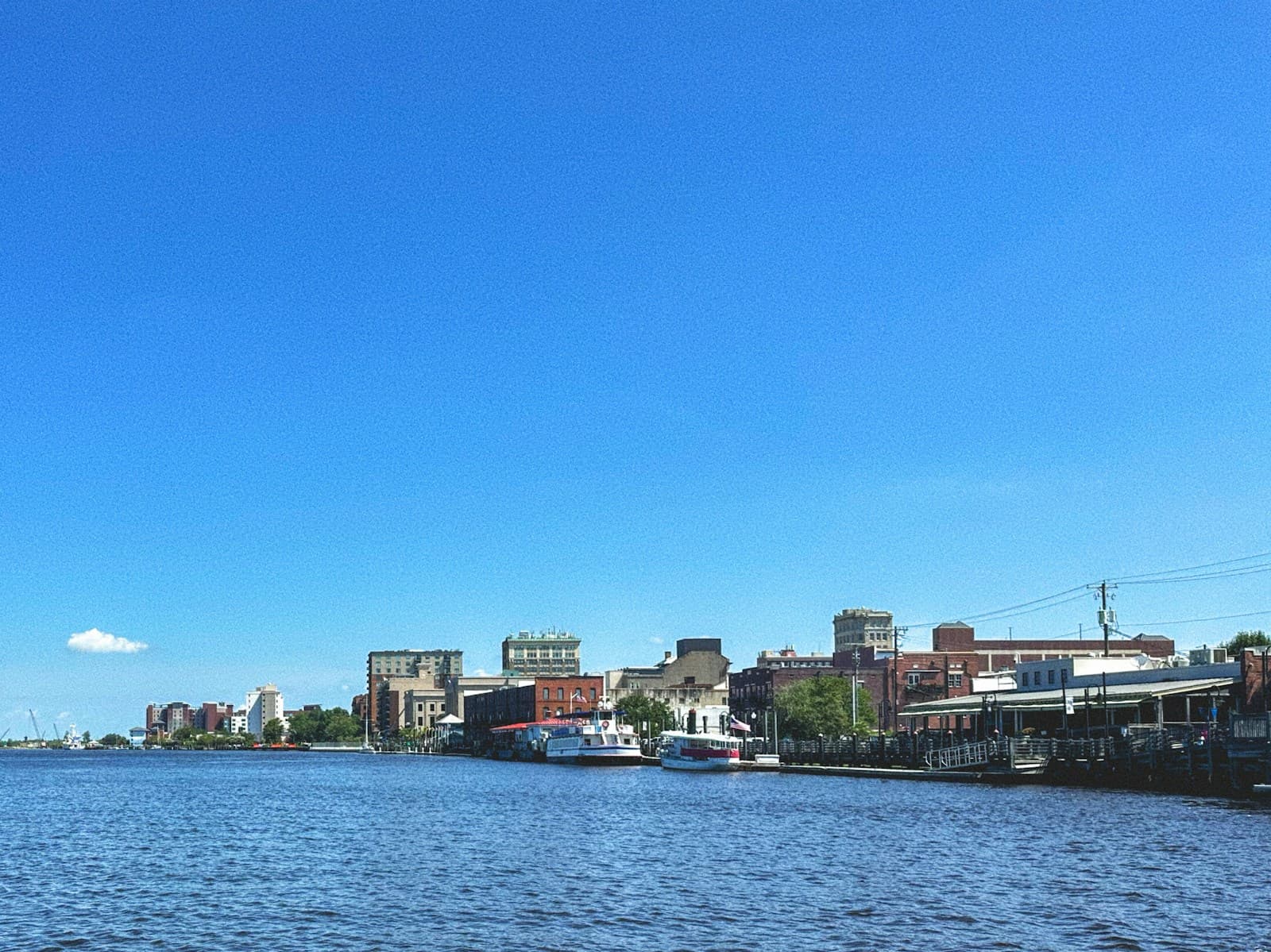
- Wilmington lies in a high-risk hurricane zone, with storms like Florence (2018) causing widespread vehicle damage from flooding and wind. Comprehensive coverage—which pays for damage from weather, theft, and vandalism—costs more here than inland because insurers price in the risk of losing your car to storm surge or fallen trees. Your deductible (the amount you pay before insurance kicks in) matters significantly: choosing a $500 deductible instead of $1,000 raises your monthly premium but reduces out-of-pocket costs if a hurricane hits.
- US-74 (Wrightsville Beach highway) and US-17 Business see massive summer traffic spikes as visitors head to Wrightsville Beach, Carolina Beach, and Kure Beach. For new drivers, these corridors mean higher collision risk during peak season, which insurers factor into rates. Market Street and College Road experience year-round congestion with frequent fender-benders near shopping districts, making liability coverage—which pays for damage you cause to others—essential even if your own car is older.
- Wilmington's port access and proximity to I-40 create vehicle theft routes toward interstate markets. Comprehensive coverage protects against theft, and for first-time buyers financing a vehicle, lenders typically require it. Neighborhoods closer to downtown and the port area see higher theft rates than suburban areas like Landfall or Ogden, which can create premium differences of $30–$50/month for the same driver.
- With UNC Wilmington enrolling over 18,000 students, the city has a large population of drivers under 25 who face the highest premiums—often 80–120% above rates for drivers over 30. Insurers use your age and driving history to predict risk: a 22-year-old with no accidents still pays more than a 35-year-old with an identical record because statistical data shows younger drivers crash more frequently. Staying on a parent's policy when possible and maintaining clean driving history are the most effective ways to manage these costs.
- Coastal air accelerates rust and corrosion on vehicles, particularly undercarriages exposed to salt spray. While this doesn't directly change premium calculations, it affects the actual cash value insurers assign your vehicle after a total loss—a 5-year-old car here may be valued lower than the same model inland. For first-time buyers purchasing older vehicles, understanding this depreciation helps set realistic expectations for comprehensive and collision payouts.
Compare car insurance for first-time drivers
Rates are high for new drivers — but the right carrier and discounts can make a real difference.
Get Your Free QuoteCoverage Recommendations
Cost estimates are based on available industry data and vary by driver profile. These are not insurance quotes.
Liability Insurance
Critical on congested beach routes like US-74 and Market Street where summer traffic increases collision risk.
$65–$120/monthEstimated range only. Not a quote.
Full Coverage
Essential for financed vehicles and strongly recommended given Wilmington's hurricane exposure and coastal flooding risk.
$165–$280/monthEstimated range only. Not a quote.
Comprehensive Coverage
Particularly valuable in Wilmington where hurricanes and tropical storms pose recurring threats to parked and stored vehicles.
$45–$85/monthEstimated range only. Not a quote.
Collision Coverage
Worthwhile on heavily trafficked corridors like College Road and Oleander Drive where fender-benders are common year-round.
$70–$130/monthEstimated range only. Not a quote.
Uninsured Motorist Coverage
North Carolina requires this coverage, and it's particularly important given the mix of out-of-state beach visitors during summer months.
$15–$30/monthEstimated range only. Not a quote.