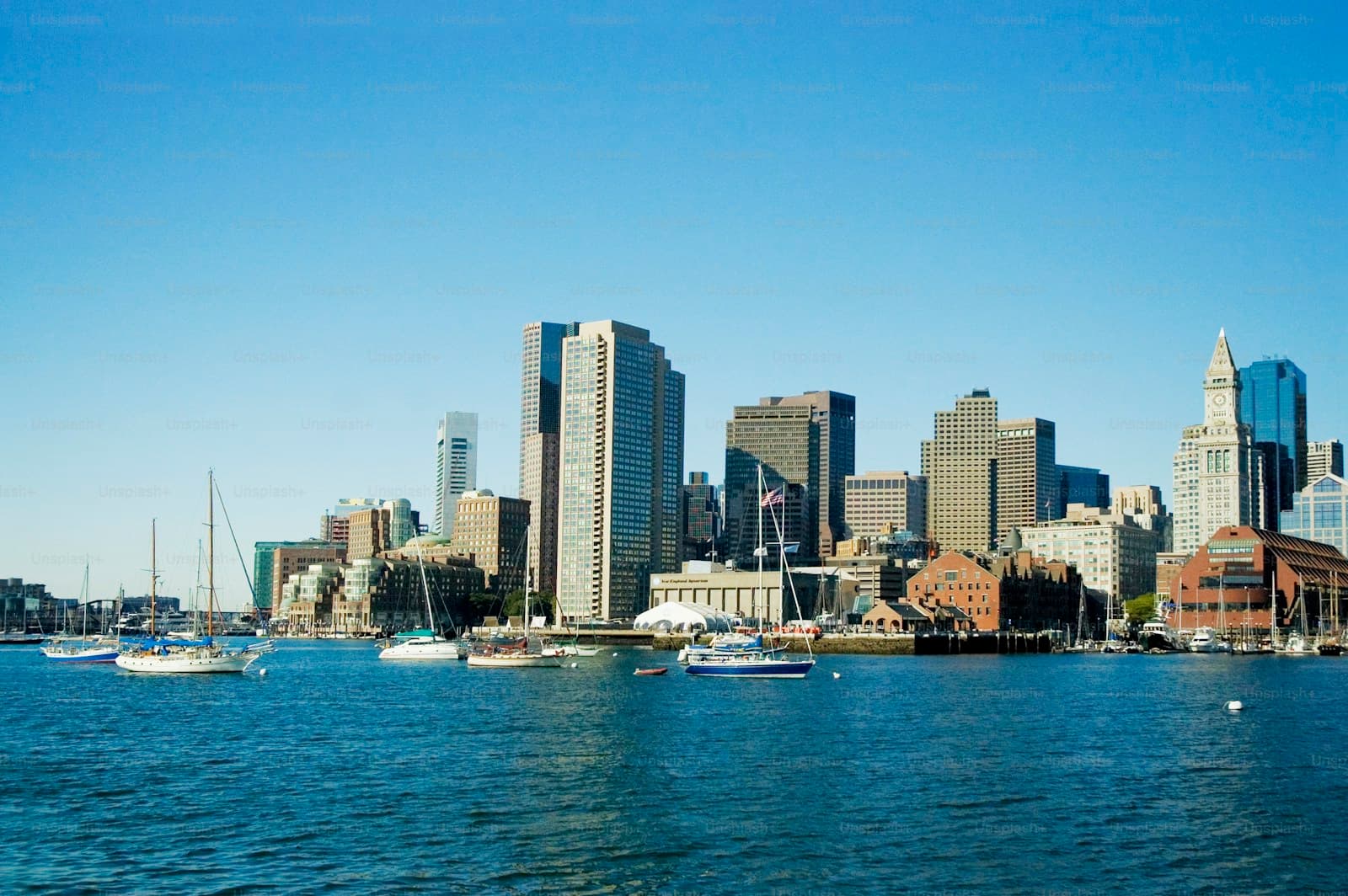
What Affects Rates in Boston
- I-93 through the city center, the Mass Pike (I-90), and Route 1 into downtown see some of the nation's worst rush-hour delays, increasing rear-end collision frequency. The Southeast Expressway corridor from Quincy into Boston creates stop-and-go conditions where minor accidents spike claims. First-time drivers commuting during peak hours pay higher premiums because insurers track these accident patterns by time and route.
- Boston ranks among the top Massachusetts cities for auto theft, with Dorchester, Roxbury, and parts of Mattapan seeing elevated claims for stolen vehicles and broken windows. Comprehensive coverage (which pays for theft and vandalism) costs more here than in suburbs like Newton or Brookline, but it's critical if you park on the street overnight. Insurers price this coverage based on ZIP code crime data, so your address directly affects your rate.
- Narrow streets in the North End, Beacon Hill, and South Boston increase minor collision claims — sideswipes, door dings, and mirror damage are common. Winter snow narrows lanes further, and tight parallel parking creates frequent low-speed contact. Collision coverage (which pays to repair your car after an accident, regardless of fault) is more expensive in Boston because the urban environment generates more small claims.
- Your premium can swing $50–$100/month depending on whether you live in West Roxbury versus Mattapan, or Cambridge versus Allston. Insurers analyze claims history, vehicle density, and street parking availability by neighborhood. As a first-time driver, knowing this variation means you can adjust your deductible (the amount you pay before insurance kicks in) to offset higher premiums in denser areas.
- Boston averages 49 inches of snow annually, and icy conditions from November through March increase collision frequency on Storrow Drive, Memorial Drive, and residential side streets. First-time drivers unfamiliar with winter driving see higher accident rates, which is why insurers charge more for younger policyholders during winter months. Comprehensive coverage also covers ice damage and falling snow/tree limbs.
Compare car insurance for first-time drivers
Rates are high for new drivers — but the right carrier and discounts can make a real difference.
Get Your Free QuoteCoverage Recommendations
Cost estimates are based on available industry data and vary by driver profile. These are not insurance quotes.
Liability Insurance
Boston's congestion increases rear-end and intersection collision risk, making higher liability limits critical to avoid paying out-of-pocket if you hit another vehicle on the Southeast Expressway or downtown.
$120–$200/moEstimated range only. Not a quote.
Comprehensive Coverage
Vehicle theft and break-ins in Dorchester, Roxbury, and Mattapan make comprehensive essential if you own your car and park on the street, especially overnight.
$60–$110/moEstimated range only. Not a quote.
Collision Coverage
Boston's narrow streets in the North End and Beacon Hill, plus tight parking citywide, generate frequent minor collision claims that make this coverage more expensive but necessary.
$90–$160/moEstimated range only. Not a quote.
Full Coverage
First-time drivers in Boston benefit from full coverage because it protects against both accident risk on I-93 and theft risk in higher-crime neighborhoods, though premiums are steep.
$280–$450/moEstimated range only. Not a quote.
Uninsured Motorist Coverage
Boston's dense traffic means you're more likely to encounter uninsured drivers, particularly in multi-vehicle pileups on the Mass Pike or Southeast Expressway during bad weather.
$25–$45/moEstimated range only. Not a quote.