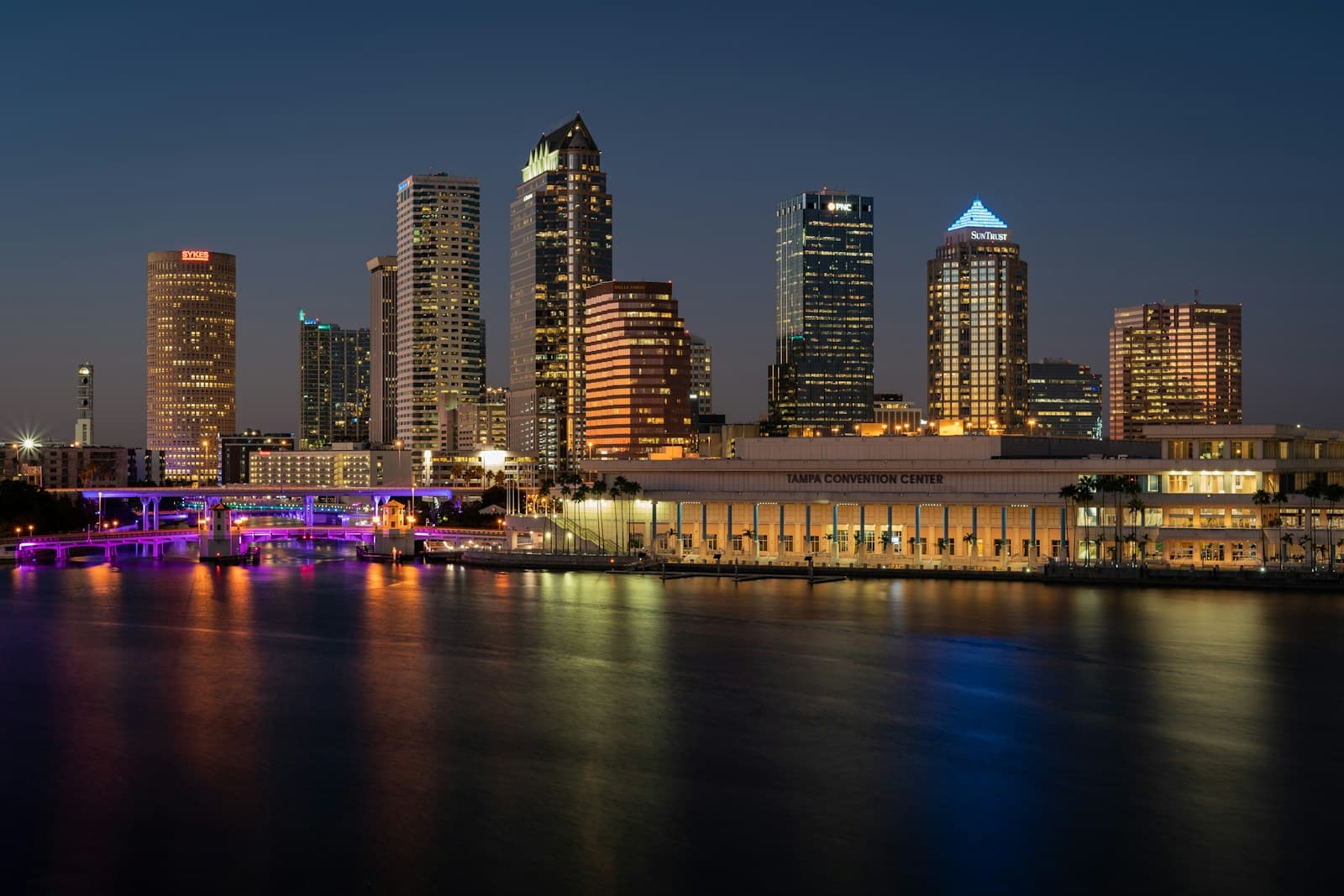
What Affects Rates in Tampa
- The I-275 corridor through downtown Tampa sees heavy daily commuter traffic from suburbs in Hillsborough and Pinellas counties, creating consistent accident risk. The downtown interchange where I-275 meets I-4 is particularly prone to rear-end collisions and merge accidents during rush hour. Insurers price these commute patterns into premiums, especially for drivers under 25 who statistically face higher accident rates in stop-and-go traffic.
- Neighborhoods in East Tampa, Sulphur Springs, and parts of Ybor City experience higher vehicle theft and break-in rates compared to suburban areas like New Tampa or Carrollwood. If you're parking on the street in these urban zones, expect comprehensive coverage (which covers theft) to cost more than in lower-density parts of the metro. Comprehensive coverage means the insurance company pays to replace your car if it's stolen or damaged by something other than a collision—like fire, hail, or vandalism.
- Tampa has a significant population of uninsured drivers, particularly along major corridors like Hillsborough Avenue and Nebraska Avenue. Florida doesn't require bodily injury liability insurance, so many drivers carry only the minimum property damage coverage or drive illegally without insurance at all. Uninsured motorist coverage (UM) protects you if you're hit by one of these drivers, and it's especially important for first-time drivers who may not have savings to cover medical bills or car repairs out of pocket.
- Tampa sits on the Gulf Coast, and while the metro hasn't taken a direct hurricane hit in decades, tropical storms still bring flooding to low-lying areas like South Tampa, Davis Islands, and parts of Channelside. Comprehensive coverage is what pays for flood or wind damage to your car, and living in flood-prone zip codes raises those premiums. If you're a first-time driver financing a vehicle, your lender will require comprehensive and collision coverage regardless of your location.
- First-time drivers in Tampa under 25 pay some of the highest premiums in the state because insurers view them as statistically more likely to cause accidents, particularly in dense urban traffic. If you're just getting your first policy after being on a parent's plan or coming off a learner's permit, expect quoted rates to be 40–60% higher than what a driver over 30 would pay for the same coverage. These penalties decrease significantly after age 25 and after you've maintained continuous coverage for three years without claims.

Compare car insurance for first-time drivers
Rates are high for new drivers — but the right carrier and discounts can make a real difference.
Get Your Free QuoteCoverage Recommendations
Cost estimates are based on available industry data and vary by driver profile. These are not insurance quotes.
Liability Insurance
Florida only requires $10,000 in property damage liability, but causing a serious accident on I-275 during rush hour could easily exceed that, leaving you personally liable for the rest.
$85–$180/moEstimated range only. Not a quote.
Full Coverage
Financing a car in Tampa almost always requires full coverage, and urban theft rates in neighborhoods like East Tampa and Sulphur Springs make comprehensive especially important.
$220–$385/moEstimated range only. Not a quote.
Comprehensive Coverage
Vehicle theft in Tampa's urban core and storm flooding in South Tampa and Davis Islands make comprehensive a critical layer of protection for first-time drivers financing vehicles.
$60–$130/moEstimated range only. Not a quote.
Uninsured Motorist Coverage
Tampa's high rate of uninsured drivers—especially along Hillsborough Avenue and Nebraska Avenue—makes UM coverage essential even though Florida doesn't require it.
$35–$75/moEstimated range only. Not a quote.
Collision Coverage
Frequent fender-benders on the I-275/I-4 interchange and in downtown parking areas mean collision claims are common in Tampa, and your deductible (the amount you pay before insurance kicks in) will affect your premium.
$90–$160/moEstimated range only. Not a quote.